The Best Paint Finish for Hallways, Stairwells, and Mudrooms
Choosing the best paint finish for hallways, stairwells, and mudrooms is a critical decision because these areas act as the primary arteries of your home. These high-traffic zones face constant physical abuse, from scuffing shoes and heavy backpacks to the daily friction of hands brushing against walls. Selecting the wrong sheen can turn a beautiful design choice into a maintenance nightmare that requires constant touch-ups.
By focusing on durability, washability, and light reflection, you can protect your investment while ensuring your home looks pristine. This article breaks down the technical requirements for these specific spaces to help you make an informed choice.
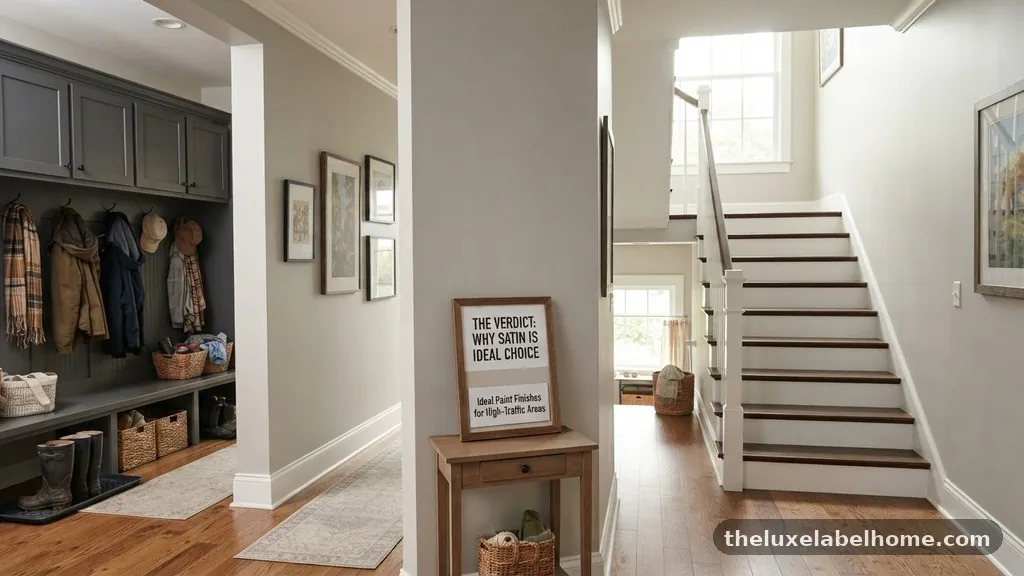
The Verdict: Why Satin is the Ideal Choice

When you evaluate the best paint finish for hallways, stairwells, and mudrooms, the clear winner is a high-quality satin finish. This sheen occupies the perfect middle ground between the flat, matte look that hides imperfections and the glossy, reflective surfaces that withstand heavy scrubbing. Satin provides a subtle luster that reflects enough light to make narrow corridors feel more open without highlighting every single bump or patch in the drywall.
Most professional painters recommend satin because it contains enough resin to resist moisture and dirt accumulation. Unlike flat paint, which absorbs oils from hands and leaves permanent marks, a satin finish allows you to wipe away grime with a damp cloth.
This is essential in mudrooms, where wet coats and muddy gear inevitably end up pressed against the wall. You get the durability needed for high-traffic areas without the harsh, plastic-like appearance of high-gloss enamel.
Understanding Sheen Durability
Paint sheen is determined by the ratio of resin to pigment in the formula. Higher resin content creates a smoother, harder surface that is less porous and more resistant to damage.
Lower resin content results in a flatter, more porous surface that is excellent at diffusing light but poor at resisting stains. For transition spaces, you need that higher resin count to prevent the “burnishing” effect, where rubbing against a wall creates a shiny, polished spot on an otherwise matte surface.
The Relationship Between Sheen and Maintenance
| Sheen Type | Scrubbability | Light Reflection | Best Use |
|---|---|---|---|
| Flat / Matte | Low | Minimal | Ceilings, Low-traffic bedrooms |
| Eggshell | Medium | Soft | Living rooms, Dining rooms |
| Satin | High | Moderate | Hallways, Mudrooms, Kitchens |
| Semi-Gloss | Very High | High | Trim, Cabinets, Doors |
| High-Gloss | Extreme | Maximum | Exterior doors, Furniture |
This hierarchy shows exactly why satin is the standard for high-use interior walls. While eggshell is often used in living areas, it rarely holds up to the repeated physical contact found in a stairwell. If you have a busy home with children or pets, moving up to satin is a practical insurance policy for your walls.
Why Flat Paint Fails in High-Traffic Zones
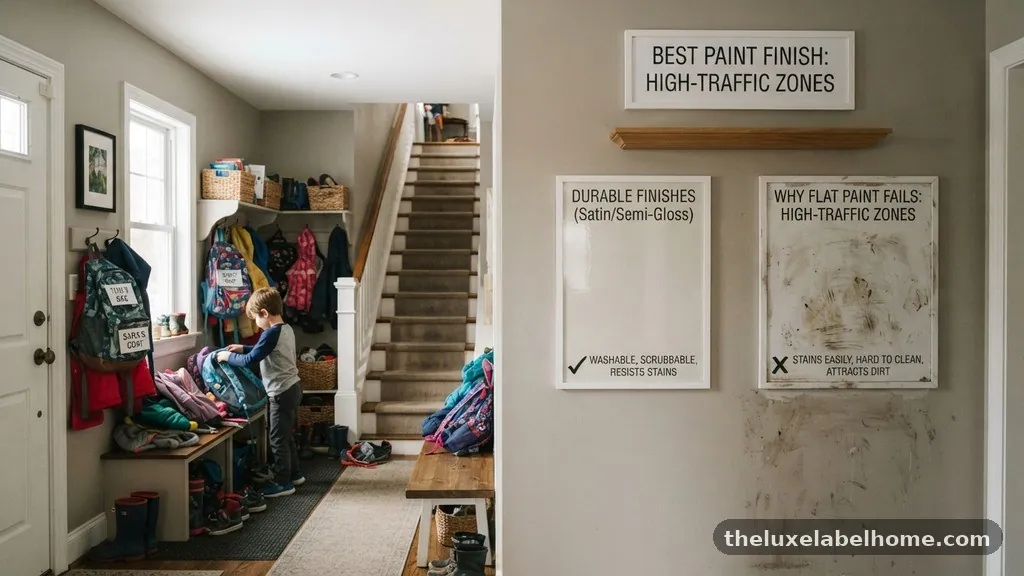
Many homeowners are tempted by the modern, velvety look of flat or ultra-matte paint. While these finishes are aesthetically pleasing and hide wall imperfections like nail pops or tape seams, they are a disaster in hallways.
Flat paint has a textured surface that acts like a sponge for dirt, oil, and dust. Once a scuff mark hits a flat-painted wall, it is almost impossible to remove without removing the paint itself.
In a mudroom, where you are constantly pulling off boots and hanging up heavy winter jackets, flat paint will show wear within weeks. You would end up repainting these areas every year just to keep them looking clean.
Even “washable” flat paints struggle to compare to the performance of a standard satin acrylic latex. Stick to flat finishes for your ceilings and perhaps the walls of a formal study, but keep them far away from your main thoroughfares.
Preparing Surfaces for Satin Paint
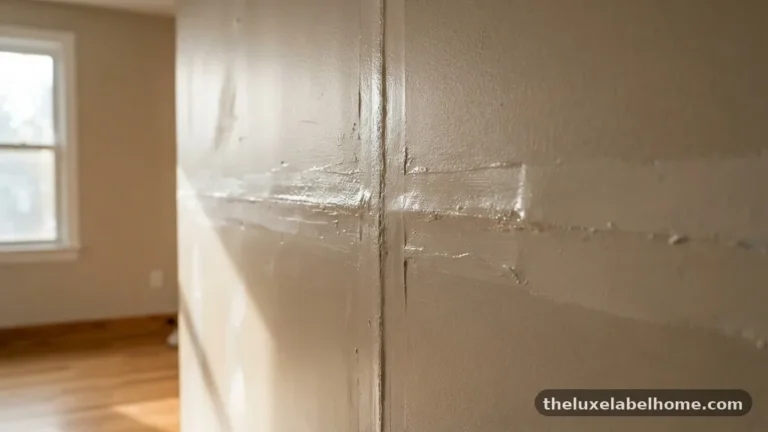
Satin paint is less forgiving than flat paint, meaning it will highlight surface irregularities if your walls are not properly prepared. Before you apply a single drop of paint, you must perform a thorough inspection of your drywall. Use a bright work light held at an angle to the wall to reveal any dings, scratches, or uneven texture that needs sanding.
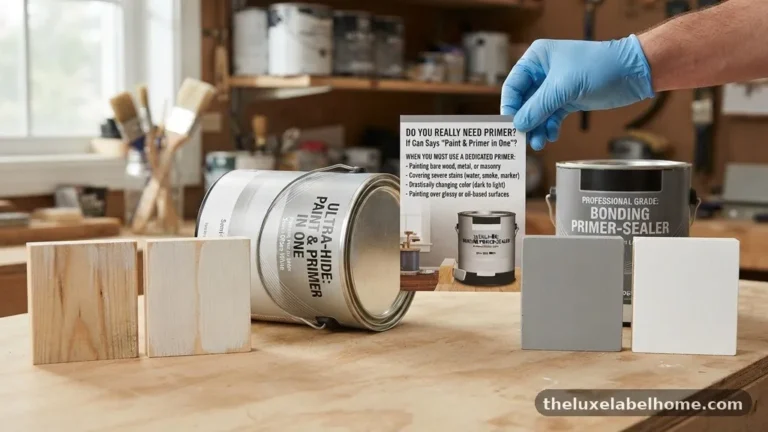
You should always use a high-quality primer before applying your topcoat, especially if you are changing colors or painting over builder-grade flat paint. A good primer seals the surface and creates a uniform base that helps the satin finish adhere evenly.
If you skip the primer, you may experience “flashing,” where the sheen looks inconsistent in different patches across the wall. Taking the time to prep is what separates a professional-looking job from a DIY project that looks amateur.
Lighting Considerations in Narrow Spaces
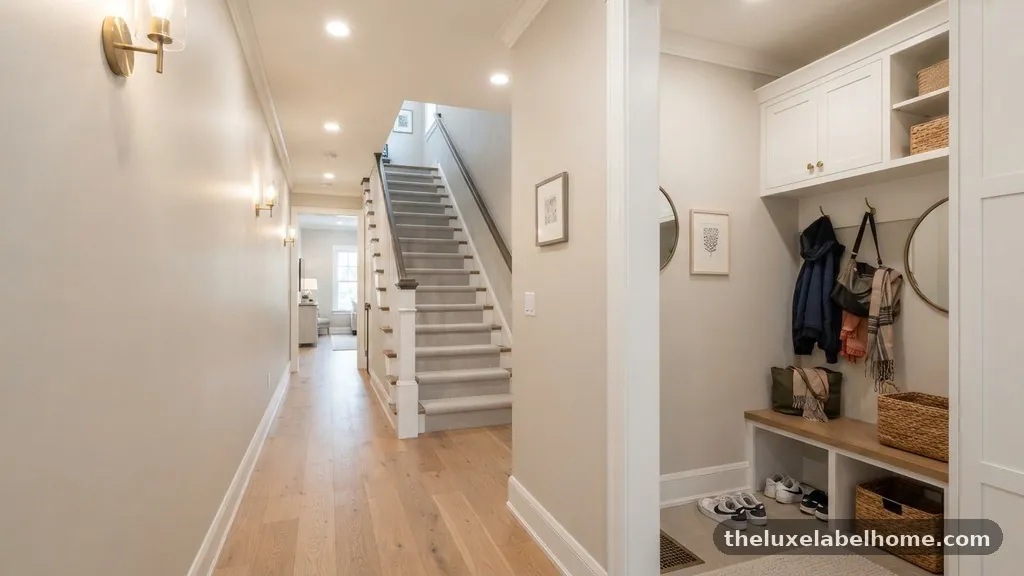
Hallways and stairwells are often poorly lit, which can make them feel claustrophobic. The way your paint interacts with the available light is a major part of choosing the best paint finish for hallways, stairwells, and mudrooms.
Because satin has a slight sheen, it will bounce light around the space more effectively than a matte surface. This can make a dark, narrow hallway feel slightly brighter and more expansive.
However, you must be careful not to choose a finish that is too reflective, as this can create glare from light fixtures. If your stairwell has a large pendant light or a bright wall sconce, a semi-gloss finish might create distracting hot spots on the wall.
Satin remains the ideal choice because it diffuses light softly rather than creating harsh reflections. You can test your chosen color and sheen by painting a large sample board and placing it in the darkest corner of your hallway to see how it performs under your specific lighting conditions.
The Unique Demands of Mudrooms
Mudrooms serve as the transition point between the outside world and your interior living space. They are exposed to humidity, mud, road salt, and the general debris that clings to clothing.
When selecting a finish here, you are essentially looking for a “workhorse” paint that can handle more than just standard household traffic. Many designers suggest extending your satin wall paint onto the trim if you want a seamless look, or using a semi-gloss for the trim to add a layer of contrast.
If your mudroom features built-in cabinets or cubbies, those should be painted with a harder, more durable finish than the walls. While satin works well for the walls, consider using a high-quality cabinet enamel for the storage units. These enamels are designed to be extremely hard and scratch-resistant, which is necessary when you are constantly sliding baskets or bags in and out of storage cubbies.
Handling Stairwell Scuffing
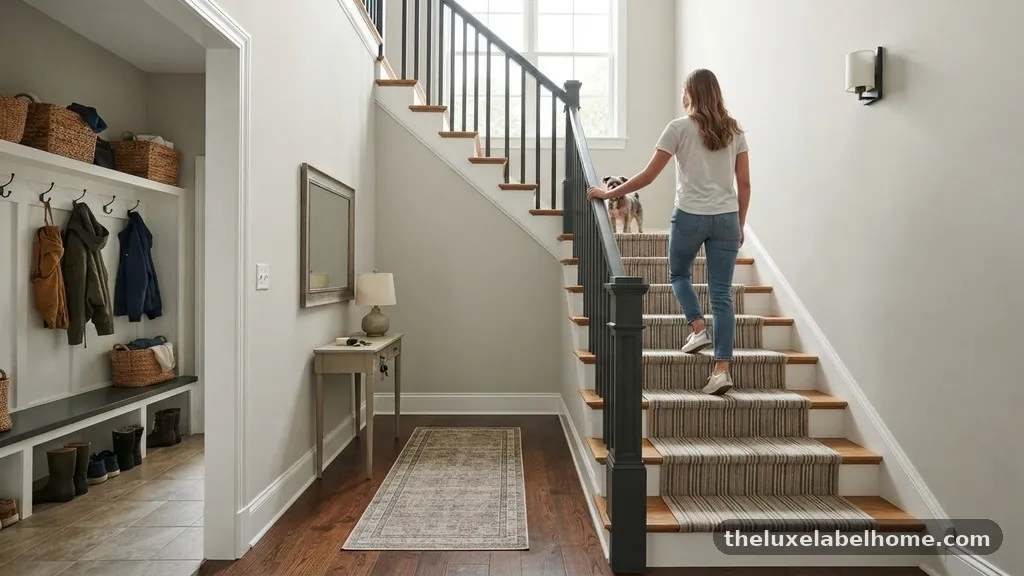
Stairwells are notorious for “foot traffic damage,” where shoes strike the walls as people navigate the steps. This is a common issue in homes with narrow staircases or steep transitions.
Because this area is so difficult to repaint due to the height and angles involved, you want a finish that lasts as long as possible. Satin is significantly easier to clean than any lower-sheen alternative.
If you have a particularly high-traffic stairwell, you might consider installing wainscoting or a chair rail to protect the lower portion of the wall. In this scenario, you could potentially use a more durable semi-gloss on the woodwork and a satin finish on the upper wall. This combination provides both visual interest and a robust physical barrier against the daily wear and tear of a busy family.
Color Choice and Sheen Interaction
The color you pick will interact with your sheen choice in unexpected ways. Generally, darker colors in a satin finish will look more dramatic and show more sheen than lighter colors. If you are painting your hallway a deep navy or charcoal, be aware that the satin finish might highlight any minor drywall imperfections more than it would with a soft white or beige.
If you are set on a dark, moody color for your entryway, you might consider a “matte-satin” or “eggshell-satin” hybrid if the brand offers it. Some premium manufacturers now offer low-sheen options that have the washability of a satin but the low-glare appearance of an eggshell.
Always check the technical data sheet for the specific product to see if it meets your durability requirements. You can learn more about safe painting practices regarding older homes if you are scraping or sanding during your preparation phase.
Common Mistakes to Avoid
One of the biggest mistakes homeowners make is using “interior/exterior” paints for indoor hallways. These paints often contain high levels of volatile organic compounds (VOCs) and are designed to withstand UV rays, which you do not need inside.
They also tend to have a different drying profile that may result in an unpleasant smell that lingers for weeks. Stick to high-quality, low-VOC interior acrylic latex paints specifically formulated for interior walls.
Another error is failing to allow enough curing time before cleaning the walls. Even though paint may feel dry to the touch within a few hours, it takes several weeks for the resins to fully cross-link and reach maximum hardness.
If you scrub a wall two days after painting, you might actually damage the finish. Wait at least 30 days before using any heavy-duty cleaners on your newly painted surfaces.
FAQ: Common Questions About Paint Sheens
Should I use the same sheen for trim and walls?
Most designers recommend using a different sheen for trim to create visual depth. Typically, you would use a satin or eggshell for the walls and a semi-gloss for the baseboards and door frames. This contrast highlights the architectural details of your home.
Is there any situation where high-gloss is good for walls?
High-gloss paint is rarely used on entire walls because it is extremely unforgiving of surface flaws. It is usually reserved for decorative accents, doors, or furniture. In a hallway, a high-gloss wall would likely look like a funhouse mirror and highlight every single imperfection in the drywall.
How do I fix a scuff on a satin wall?
To clean a scuff on satin paint, use a soft, damp microfiber cloth with a tiny amount of mild dish soap. Gently rub the area in a circular motion. Avoid using abrasive sponges, as these can dull the sheen and create a permanent “shiny” spot on the wall.
Can I paint over a high-gloss finish with satin?
Yes, but you must prepare the surface first. You need to lightly sand the existing gloss to create “tooth” for the new paint to grip. After sanding, wipe away all dust and apply a high-quality bonding primer before painting with your chosen satin color.
Does the number of coats matter for durability?
Absolutely. Two coats are always better than one, especially when you are using a satin finish. The first coat acts as a bridge, and the second coat provides the full, uniform sheen and the level of protection you need for high-traffic areas.
Selecting the Right Products
When you head to the paint store, look for products labeled as “high-traffic” or “scrubbable.” These paints are formulated with harder resins and are specifically designed for hallways, stairwells, and mudrooms.
While they may cost a few dollars more per gallon, the longevity they provide is worth the investment. You will save money in the long run by not needing to repaint as frequently.
Keep a list of your exact paint brand, color name, and sheen stored in a safe place. If you ever need to perform a touch-up, you will be glad you have the exact match.
Even with the best paint, minor damage is inevitable in a busy home. Having the original can ensures that your repairs blend in perfectly with the surrounding wall.
Conclusion
Selecting the best paint finish for hallways, stairwells, and mudrooms is a straightforward process when you prioritize durability and maintenance. By choosing a high-quality satin finish, you ensure that your walls can withstand the daily friction of a busy household while maintaining a clean and inviting appearance. Take the time to properly prep your surfaces, use a reliable primer, and apply two full coats to get the best results.
These small efforts will pay off in the long term, saving you from constant touch-ups and keeping your home looking fresh for years to come. If you have questions about your specific wall texture or color palette, consult with a professional at your local paint center for tailored advice.