Do You Really Need Primer If the Can Says “Paint and Primer in One”?
{“title”:”Do You Really Need Primer If the Can Says \”Paint and Primer in One\”?”}
Deciding whether you really need primer if the can says “paint and primer in one” is a common dilemma for DIY enthusiasts and homeowners. Marketing labels often suggest that these dual-purpose products eliminate the need for a separate base coat, but the reality is more nuanced. While these products are formulated to offer better coverage than traditional paint, they are not a universal substitute for dedicated primers in every scenario.
Understanding the chemistry behind these coatings and the specific surface conditions you are working with will help you determine if you can safely skip the extra step. This article clarifies when you can rely on the label and when a standalone primer is still mandatory.
To answer the question directly: you often do not need a separate primer if you are painting over a surface that is already in good condition, such as a wall that has been previously painted with a similar color. However, if you are working with bare drywall, stained
, or significant color changes, you almost certainly still need a dedicated primer.
The “paint and primer in one” label is primarily a marketing term for high-quality, thicker acrylic paint with better resin content. It provides superior leveling and hiding capabilities compared to budget paints, but it cannot perform the chemical miracles of a true sealing primer.
Most manufacturers design these products to be thicker than standard latex paints. They contain higher concentrations of titanium dioxide and specialized resins that allow the product to bind better to existing layers of paint. When you apply these products over an existing, clean, and stable surface, they perform excellently because the previous paint layer has already done the work of sealing the substrate.
The “primer” component in these cans is essentially an additive that improves the product’s ability to fill minor imperfections and grip the surface. It does not contain the high-solids content found in a dedicated bonding primer, which is designed to penetrate and seal porous materials.
Because of this, these products are best viewed as premium paints rather than true primers. They are excellent at reducing the number of coats required for a color change, provided the underlying surface is not compromised.
When You Must Use a Dedicated Primer
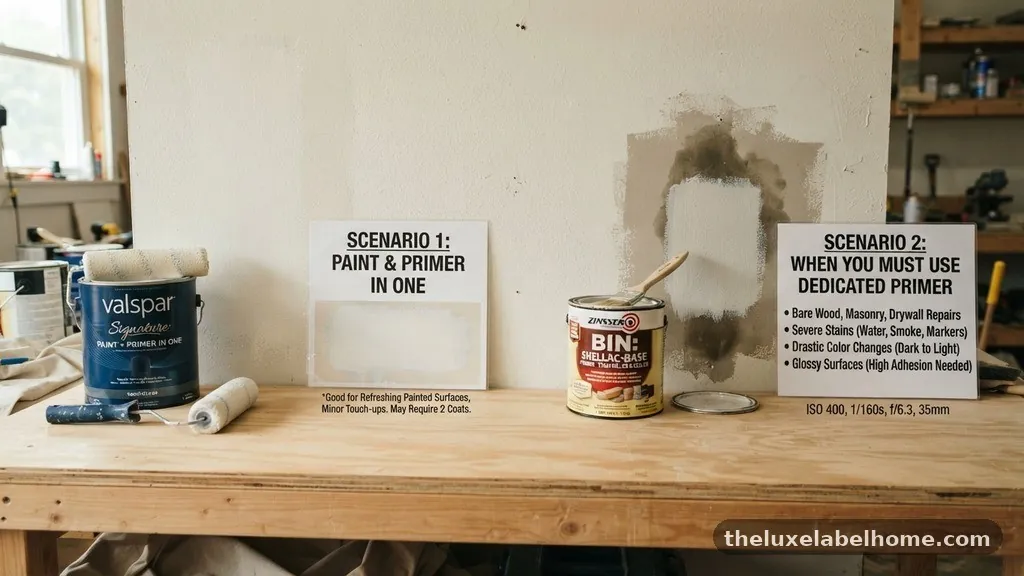
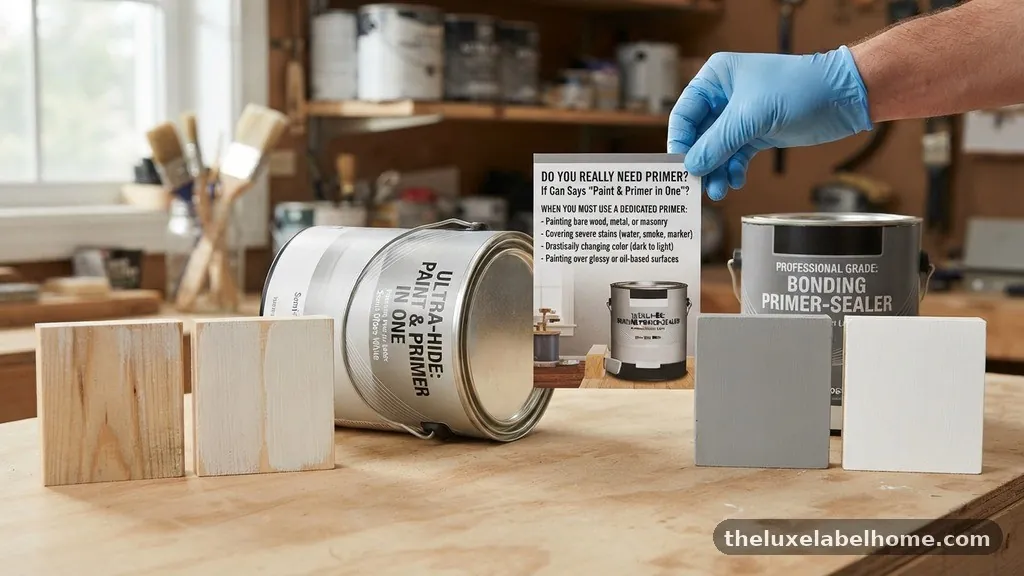
There are specific scenarios where relying on a combined product will lead to failure. If you are painting over bare wood, new drywall, or metal, the surface is too porous or reactive for a standard paint to handle alone. Bare drywall, for example, absorbs moisture unevenly, which can lead to “flashing” or dull spots where the paint has been sucked into the paper.
Stained surfaces or areas with water damage also require a dedicated stain-blocking primer. A “paint and primer in one” product lacks the heavy-duty chemical blockers necessary to seal in tannins from wood or nicotine stains from old walls.
If you apply a dual-purpose product over these stains, the discoloration will often bleed through the new paint within a few months. You are effectively wasting your time and money if you skip the primer on these problematic substrates.
Assessing Surface Porosity and Condition
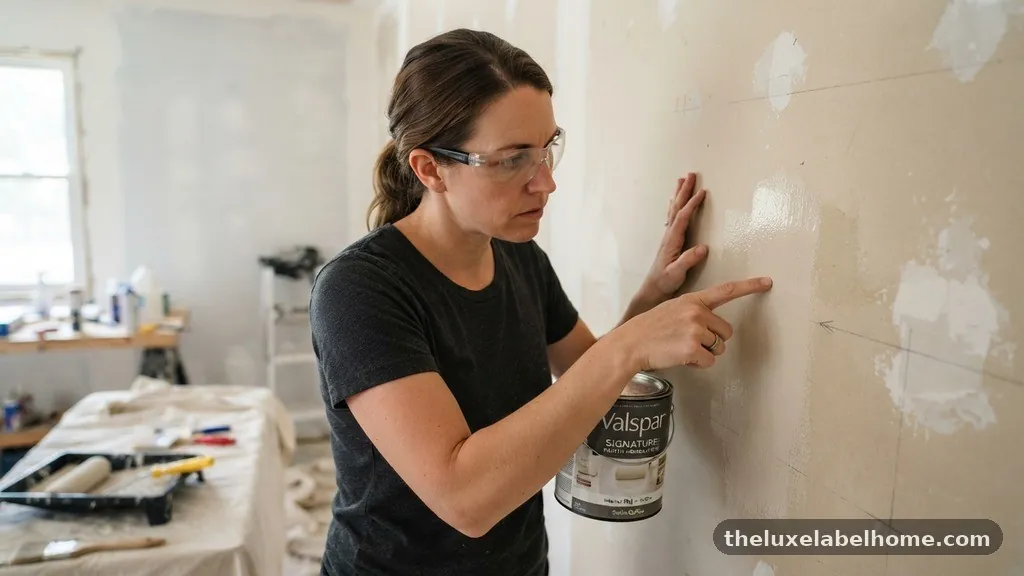
The condition of your surface is the most important factor in your decision. If you are painting a wall that has been cleaned and lightly sanded, the existing paint acts as a primer.
In this case, the surface is sealed, and the new coat only needs to adhere to the previous layer. Using a high-quality, dual-purpose paint is perfectly acceptable here.
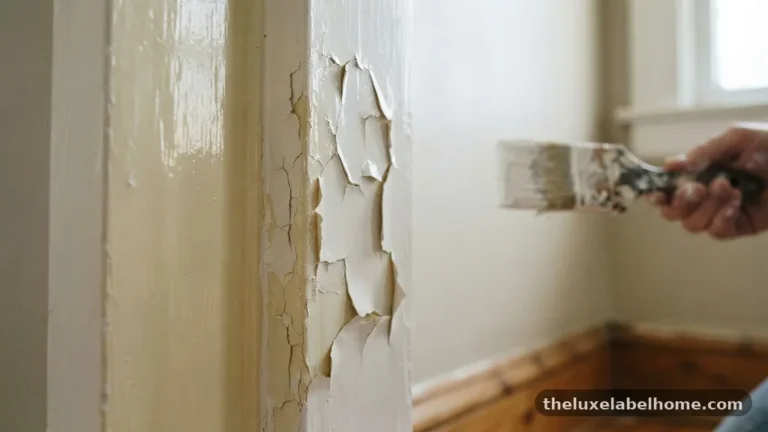
Conversely, if the surface is chalky, peeling, or extremely glossy, you must prepare it before painting. Even the best “paint and primer in one” will fail if it is applied over a surface that hasn’t been properly cleaned.
For glossy surfaces, a dedicated bonding primer is often necessary to provide a “tooth” for the new paint to grab onto. Skipping this step often leads to the new paint peeling off in sheets after a few months of humidity changes.
Comparing Traditional Primers and Combined Products
To help you distinguish between the two, it is helpful to look at how these products function in a real-world setting. The table below outlines the primary differences in performance based on typical surface conditions.
| Surface Type | Dedicated Primer Needed? | Reasoning |
|---|---|---|
| Previously Painted (Clean) | No | Existing finish provides a stable base. |
| New Drywall | Yes | Seals the paper and joint compound. |
| Bare Wood/Tannins | Yes | Blocks bleed-through and fills grain. |
| High-Gloss Surfaces | Yes | Ensures necessary adhesion for longevity. |
| Drastic Color Change | Optional | A tinted primer is often more cost-effective. |
The Role of Tinted Primers in Color Changes
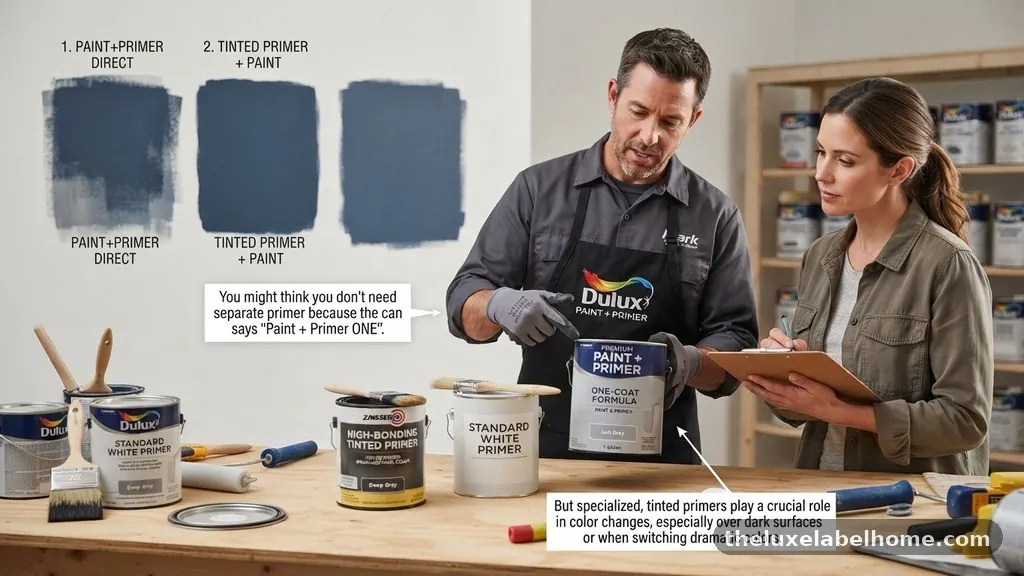
Many people choose “paint and primer in one” because they want to save time when switching from a dark color to a light one. While these products have better coverage, they can still require three or four coats to completely hide a dark base. A better strategy is often to use a gray-tinted, high-build primer.
By using a gray primer, you neutralize the dark color underneath with a single coat. This allows your topcoat to reach full opacity in just one or two applications.
It is often cheaper to buy a gallon of professional-grade primer and one gallon of top-tier paint than to buy three gallons of an expensive “paint and primer in one” product. Always consider the total cost of materials and the number of coats required before deciding.
Common Myths About Marketing Labels
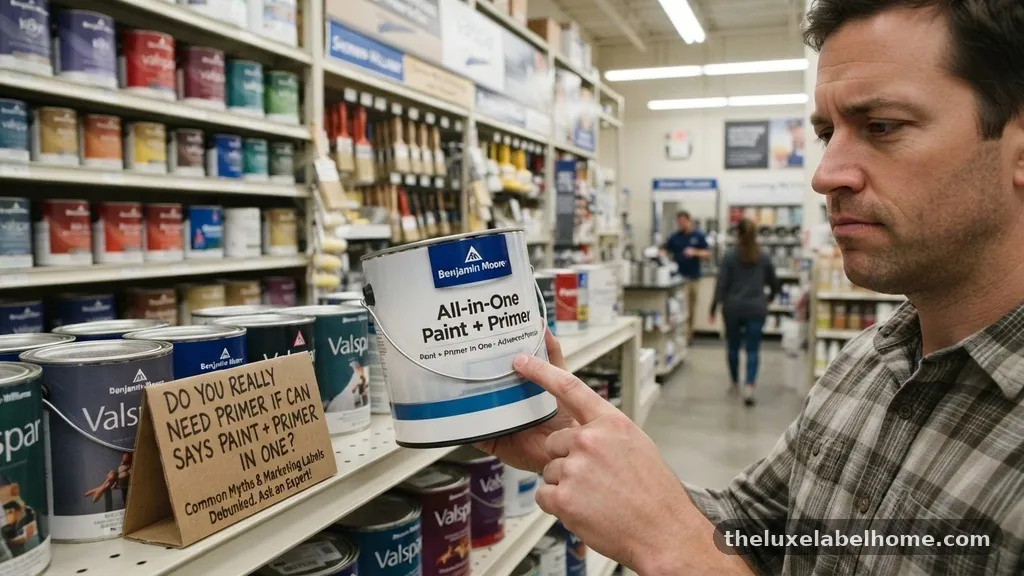
The marketing term “paint and primer in one” has created a significant amount of confusion in the home improvement industry. Many consumers believe that this label implies the product is a magical solution for all painting problems. It is important to remember that paint companies are in the business of selling paint, and simplified branding sells more volume.
The reality is that manufacturers are simply highlighting the increased resin content of their premium lines. These products are undeniably better than entry-level paints, but they do not contain the specific chemical binders found in specialized primers.
Do not allow the label to convince you that you can skip essential surface preparation. If the instructions on the back of the can mention sanding or cleaning, those steps are just as important as the product itself.
When to Choose Professional-Grade Primers
If you are dealing with a difficult project, such as painting over oil-based paint with latex, you absolutely need a specialty primer. You cannot simply paint over oil-based finishes with a standard water-based “paint and primer” without risking failure. The two chemistries will not bond, and the new paint will eventually peel.
In these instances, you need a high-adhesion bonding primer that is specifically formulated to bridge the gap between oil and latex. These products contain unique solvents that soften the top layer of the old finish to create a chemical bond.
No “paint and primer in one” product can replicate this specific chemical interaction. You can find detailed technical guidance on these requirements through resources like the American Coatings Association, which provides industry standards for surface preparation.
Key Steps for Successful Application

Regardless of the product you choose, the success of your project depends on your preparation. If you are painting a room that has been well-maintained, follow these steps to ensure the best results:
- Clean the walls with a mild degreaser to remove dust and oils.
- Patch any holes or cracks with spackle and sand them smooth.
- Use a high-quality synthetic brush for cutting in corners.
- Apply the paint using a roller with a nap appropriate for your wall texture.
- Allow for full drying time between coats, as specified on the can.
The Impact of Temperature and Humidity
The environment in which you paint plays a major role in how well your paint adheres. If the room is too humid, the paint will not cure properly, regardless of whether it is a combination product or a dedicated primer. High moisture levels prevent the resins from forming a continuous film, which leads to a weak bond.
Similarly, temperature extremes can affect the flow and leveling of the paint. If the room is too cold, the paint will thicken and leave brush marks; if it is too hot, it will dry too quickly and prevent proper adhesion.
Always check the temperature range on the product label. If you are working in a basement or a bathroom, ensure the environment is dry and within the manufacturer’s recommended temperature range.
FAQ: Common Questions About Paint and Primer
Can I use paint and primer in one over oil-based paint?
No, you should never apply a water-based “paint and primer in one” directly over an oil-based finish. You must first use an oil-based primer or a specialized bonding primer to ensure the new layer adheres properly.
Is it ever okay to skip the primer on new drywall?
No, you should always prime new drywall. The paper surface is highly porous, and the joint compound absorbs liquid at a different rate than the paper, which will lead to visible patches in your finish.
Will one coat of paint and primer in one really cover everything?
While these products cover better than standard paint, one coat is rarely enough for professional results. Even with high-hiding formulas, two coats are necessary to achieve the correct film thickness for durability and uniform color.
Does the color of my primer matter?
Yes, especially when you are making a significant color change. A white primer is standard, but using a gray-tinted primer can significantly reduce the number of topcoats required when painting over dark or vibrant colors.
Are these products good for exterior use?
They can be effective on exterior surfaces that are in good condition, but they are not a substitute for sealing bare wood or masonry. For exterior projects, the longevity of your paint job relies heavily on the quality of the primer used to seal the substrate against moisture.
Conclusion
Evaluating whether you really need primer if the can says “paint and primer in one” is a vital step in planning any renovation. While these products are a convenient and effective choice for many interior refreshes on stable, previously painted surfaces, they are not a universal solution. They cannot replace the essential sealing and bonding properties of dedicated primers when dealing with raw materials, stains, or incompatible surfaces.
By assessing the state of your walls and understanding the limitations of the products you choose, you can ensure a durable and professional-looking finish. When in doubt, applying a dedicated primer is always the safer choice to avoid peeling, bleed-through, or uneven coverage in your next project.