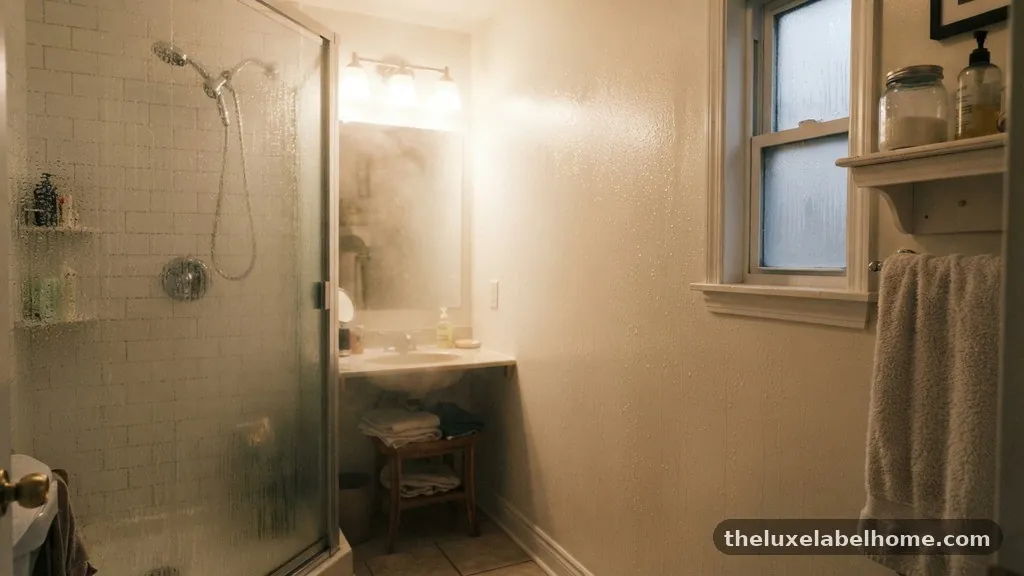
What Paint Sheen Should You Use in a Small Bathroom with High Steam?
Deciding what paint sheen should you use in a small bathroom with high steam involves balancing moisture resistance with aesthetic appeal. In a compact space where humidity levels spike rapidly, the right finish acts as a protective barrier against peeling, mildew, and water spots. Most professionals agree that a semi-gloss or satin finish is the most effective choice for these conditions.
These surfaces provide the durability required to withstand constant exposure to hot vapor while remaining easy to wipe down. Understanding how different sheens react to heat and condensation ensures your walls stay protected for years. This article explores why specific finishes perform better than others in challenging, high-moisture environments.
The Direct Answer: Why Semi-Gloss Wins
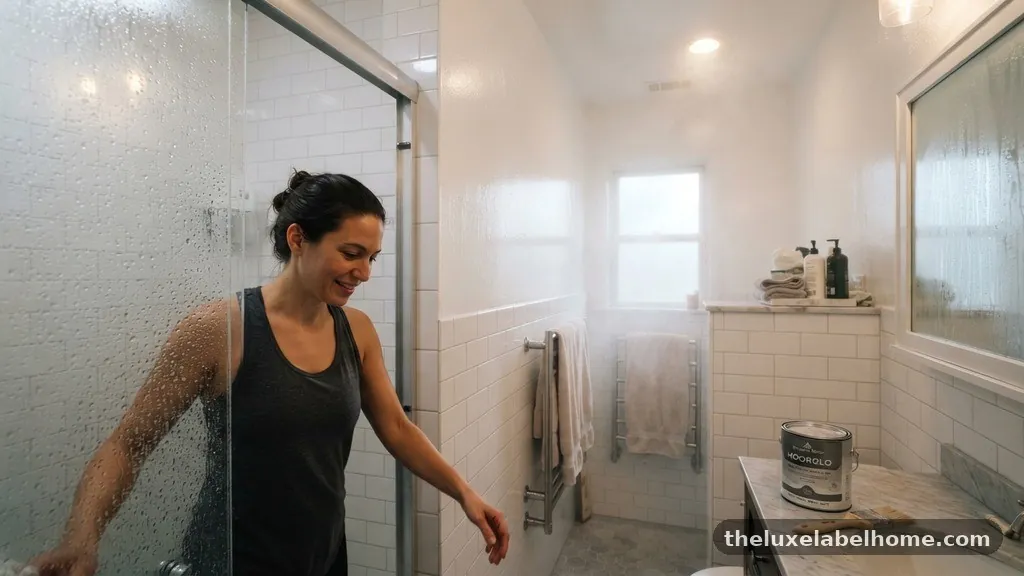
When you ask what paint sheen should you use in a small bathroom with high steam, the most reliable answer is semi-gloss. This finish contains a higher concentration of resins and binders compared to flat or eggshell alternatives. These components create a tight, non-porous film that prevents water vapor from penetrating the drywall.
Because small bathrooms trap steam against the walls during every shower, this moisture-repellent quality is non-negotiable. Semi-gloss is significantly easier to clean than lower-sheen options, which is vital in a space prone to soap scum and water droplets.
Beyond moisture resistance, the reflective nature of semi-gloss helps brighten a small, often windowless room. The sheen bounces light around the space, which can make a cramped bathroom feel slightly more expansive. While some people worry that a high-shine finish will highlight wall imperfections, the trade-off for longevity is usually worth it.
If your bathroom walls have significant texture or damage, you might consider a high-quality satin instead. However, for maximum steam protection, the harder surface of a semi-gloss remains the industry gold standard.
Understanding the Role of Moisture Resistance
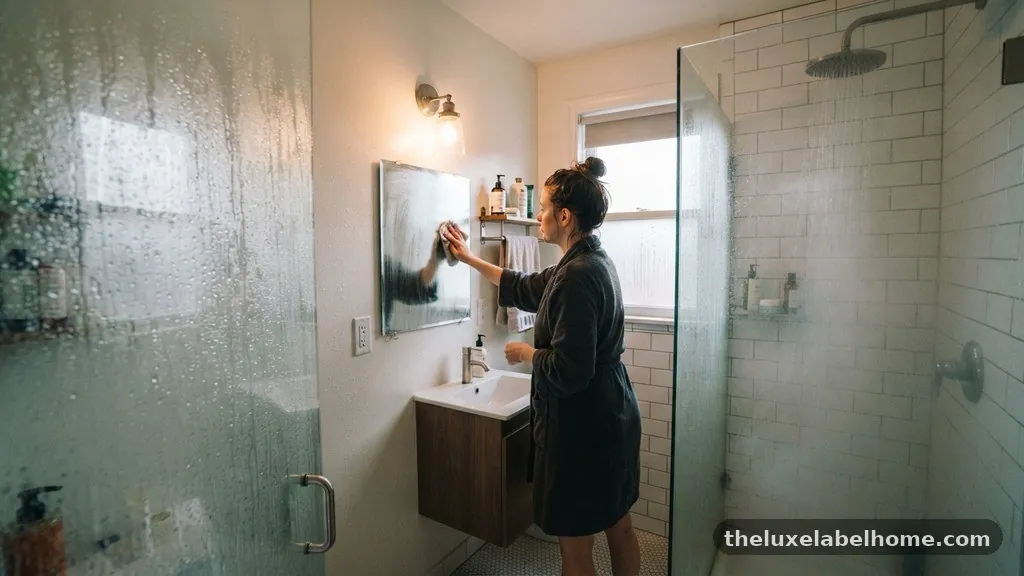
Moisture is the primary enemy of any paint job in a bathroom. When steam hits a surface, it cools and turns into liquid water, which then seeks a way into the paint layers. If the paint finish is too porous, this water causes the film to soften, bubble, or eventually peel away from the substrate.
A high-sheen paint, such as semi-gloss, creates a physical shield that forces water to bead up and run off rather than soaking in. This simple mechanic is the difference between a paint job that lasts a decade and one that fails in a single season.
You should also look for specific labels on the paint can, such as “mildew resistant” or “anti-microbial.” While the sheen provides the mechanical barrier, these additives chemically prevent mold spores from taking root in the damp environment. Combining a high-sheen finish with a moisture-resistant formula is the best way to keep your bathroom walls hygienic.
Always ensure the paint is specifically labeled for bathrooms or high-humidity areas, as generic interior paints often lack the necessary binders. The Environmental Protection Agency provides extensive resources on managing moisture and preventing mold growth in residential spaces.
Satin Versus Semi-Gloss: The Great Debate
Many homeowners struggle to choose between satin and semi-gloss when deciding what paint sheen should you use in a small bathroom with high steam. Satin offers a softer, more velvet-like appearance that many find more visually appealing for modern interior design. It is slightly less reflective than semi-gloss, which can hide minor wall bumps or patching work more effectively.
However, satin is inherently more porous, meaning it may require more frequent touch-ups or cleaning in a high-steam room. If your bathroom has excellent ventilation, you might get away with a premium satin finish.
Semi-gloss, conversely, is the workhorse of the bathroom. It is harder, slicker, and more resistant to the repeated cycles of wetting and drying that occur during daily showers. While some find its shine too clinical or “plastic,” modern paint technology has introduced “soft” semi-glosses that provide a more subtle glow.
You should test a sample patch on your wall before committing to the entire room. See how the light hits it at different times of the day to ensure you are happy with the visual impact.
The Impact of Ventilation Systems
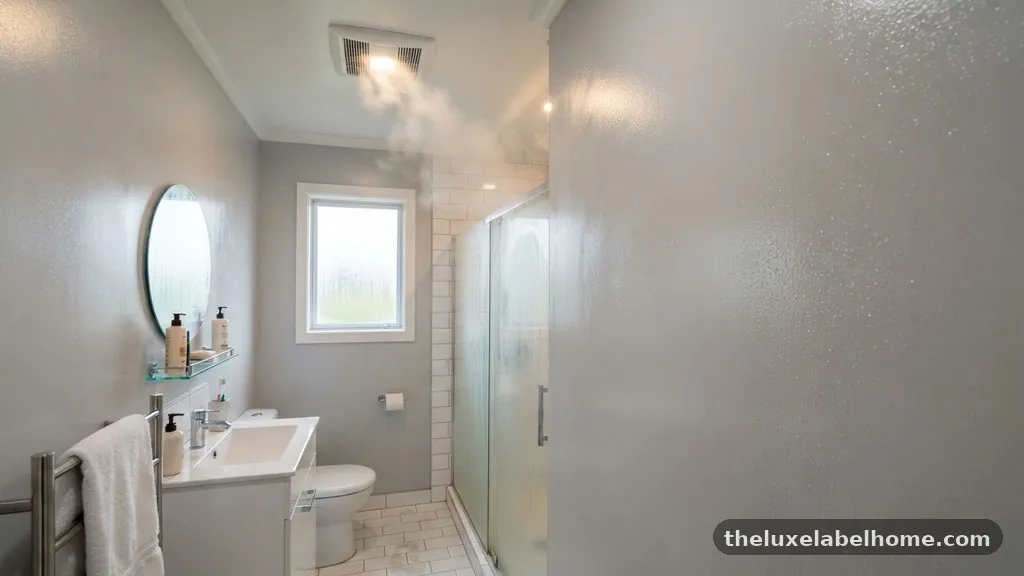
No matter how high-quality your paint finish is, it cannot compensate for a complete lack of airflow. If your bathroom lacks a powerful exhaust fan, steam will linger on the walls long after you have finished your shower. This prolonged exposure can eventually compromise even the best semi-gloss paint.
If you are dealing with a small room, ensure your ventilation fan is rated for the square footage of the space. A fan that is too weak will allow condensation to settle, which is the leading cause of premature paint failure.
If installing a new fan is not an option, you must be diligent about other drying methods. Leaving the door open after a shower or using a small portable dehumidifier can drastically reduce the moisture load on your walls. Think of these habits as a support system for your paint.
When you combine good ventilation with a high-durability finish, you create an environment where the paint can perform exactly as intended. Never expect the paint to solve a structural moisture problem on its own.
Surface Preparation for Long-Term Success
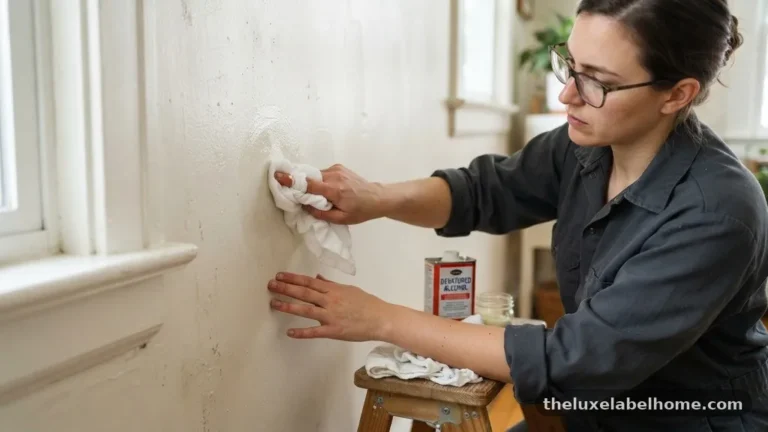
Choosing the right paint sheen is only half the battle; the preparation of your walls dictates how well that paint sticks. You must start by cleaning the walls thoroughly with a degreaser to remove any soap residue or body oils. If you paint over a dirty surface, the finish will not bond properly, regardless of how expensive the product is.
Once the walls are clean, you must repair any cracks or holes with a moisture-resistant spackle. Smooth these areas down so that the final coat of paint has a uniform surface to adhere to.
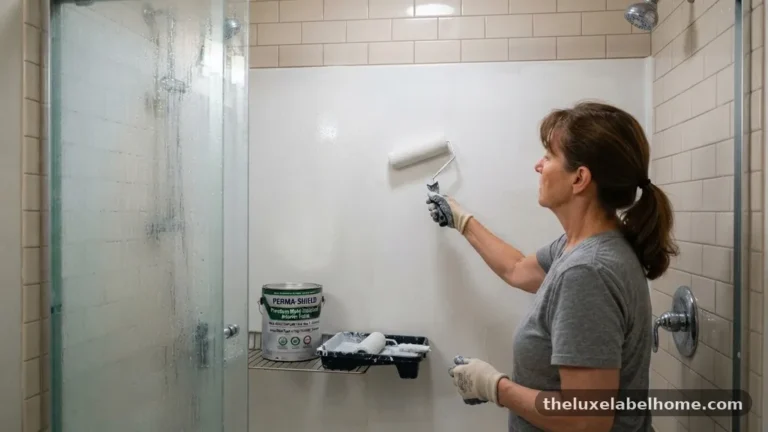
The next critical step is using a high-quality primer. A dedicated moisture-blocking primer creates a bridge between the drywall and the topcoat, ensuring that moisture cannot seep from behind the paint. Some primers are specifically designed for bathrooms and include fungicides to prevent mold from growing under the paint film.
Applying two coats of a high-quality primer is often more important than the number of topcoats you apply. This foundation prevents the paint from peeling even under the most extreme steam conditions.
Comparing Common Paint Finishes
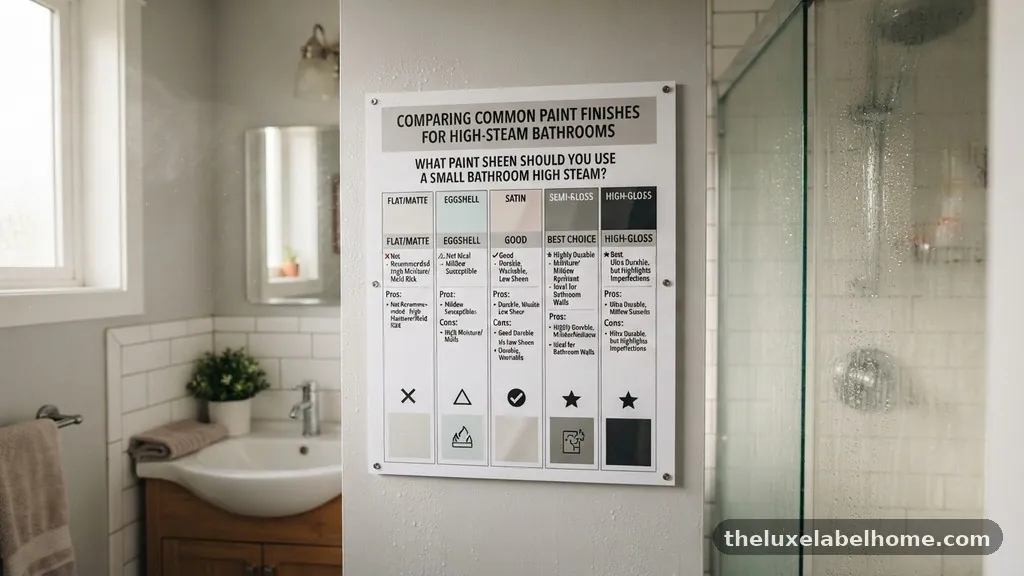
To understand the spectrum of options, it helps to see how different finishes stack up against each other. Each has a specific place in a home, but not all are suitable for a damp bathroom.
| Finish Type | Moisture Resistance | Ease of Cleaning | Best Use Case |
|---|---|---|---|
| Flat / Matte | Low | Difficult | Low-traffic ceilings |
| Eggshell | Moderate | Fair | Living rooms, bedrooms |
| Satin | High | Good | Kitchens, bathrooms |
| Semi-Gloss | Very High | Excellent | Small, high-steam baths |
| High-Gloss | Maximum | Superior | Trim, cabinets, doors |
Why Trim Paint Matters in Bathrooms
While we often focus on the walls, the trim in a small, high-steam bathroom is equally susceptible to water damage. Baseboards and door casings are often the first places where water pools after a hot shower. Because these areas are prone to splashes, you should use a finish that is even more durable than what you use on the walls.
A high-gloss or semi-gloss finish on the trim provides an extra layer of protection against standing water. This makes the woodwork significantly easier to wipe down without damaging the underlying wood.
When you are choosing colors, consider using a slightly different sheen for the trim to create visual interest. For example, if you use a satin finish on the walls, a crisp semi-gloss on the trim looks polished and intentional. This contrast not only looks great but also helps delineate the different surfaces.
Ensure you are using a paint specifically formulated for trim, as these products are designed to be harder and more resistant to dings and scratches. A small bathroom is a high-traffic area, and your trim will thank you for the extra protection.
Choosing the Right Color for Small Spaces
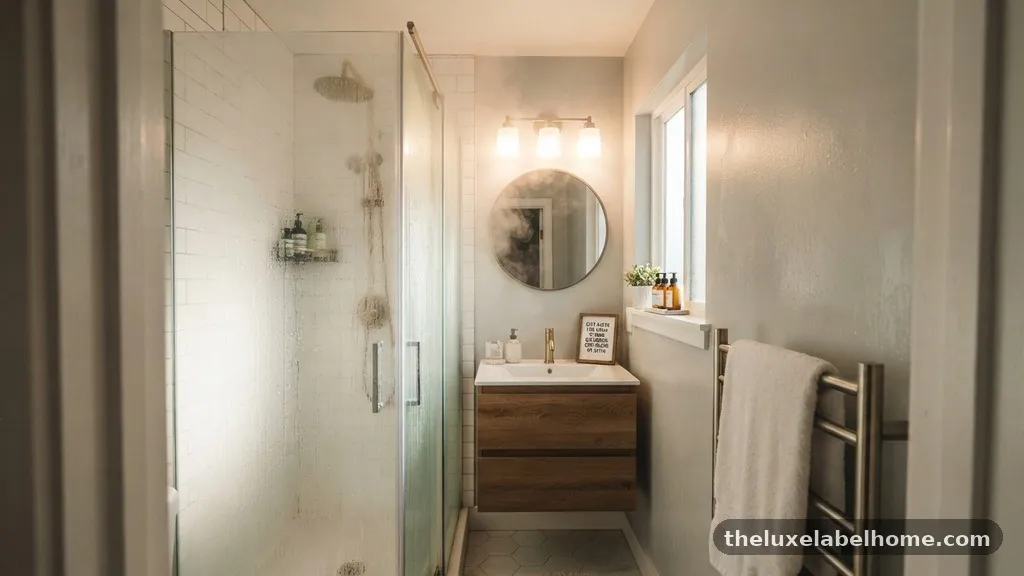
Color selection plays a major role in how a small bathroom feels. While lighter colors are the traditional choice for making a small room look larger, they also reveal water spots and dust more easily. If you opt for a dark or vibrant color, you must be even more diligent about cleaning the walls.
Darker paints in a semi-gloss finish can look very sophisticated, but they also tend to show fingerprints and dried water droplets more clearly than white or off-white shades. Always balance your aesthetic goals with the reality of how often you are willing to clean.
Regardless of the color, the finish remains the primary factor for durability. If you fall in love with a dark navy or a charcoal grey, make sure the paint shop mixes it in a high-quality semi-gloss base. You can also use a “glaze” or a protective topcoat if you really want a matte look but need the durability of a gloss.
These clear protective layers add a level of moisture resistance to almost any paint color. Just be aware that they can alter the final appearance of the color slightly.
Common Mistakes to Avoid
Many DIYers make the mistake of using leftover paint from other rooms in the bathroom. If you have half a gallon of eggshell paint from your living room, it might be tempting to use it in the bathroom to save money. This is a common error that leads to mold growth and paint failure within a year or two.
Bathroom-specific paints have a different chemical makeup that handles high humidity levels better than standard interior wall paint. Using the wrong product will almost certainly force you to redo the work much sooner than you intended.
Another mistake is failing to allow enough drying time between coats. In a damp environment, the curing process takes longer than it does in a dry room. If you apply the second coat before the first is fully cured, you trap moisture underneath the layers.
This trapped water will eventually cause the paint to bubble or peel. Follow the manufacturer’s instructions on the can regarding recoat times, and perhaps add an extra hour for safety. Patience during the application process is the key to a long-lasting, steam-resistant finish.
Maintenance Tips for Bathroom Walls
Once you have painted your bathroom with the right sheen, maintenance is key to keeping it looking new. Even the most durable semi-gloss paint can suffer if it is constantly covered in soap scum. Wipe down the walls periodically with a soft, damp cloth to remove any buildup that could trap moisture.
Avoid using harsh abrasive cleaners or scouring pads, as these can dull the finish and create microscopic scratches where mold can grow. A mixture of mild dish soap and warm water is usually sufficient for regular cleaning.
If you notice water spots, address them promptly before they become stubborn stains. If you see signs of peeling or bubbling, do not wait for the paint to fall off the wall. Sand the area lightly, prime the spot, and touch it up with the original paint.
Keeping your paint job in good condition is a continuous process, not a one-time event. If you stay on top of small issues, you will avoid the need for a full repainting project for many years.
Frequently Asked Questions
Is semi-gloss too shiny for my bathroom walls?
Some people find the high shine of semi-gloss to be too much for their taste. If you feel this way, look for a “pearl” or “soft-gloss” finish, which offers a middle ground between satin and semi-gloss. These finishes provide excellent moisture resistance while appearing less reflective than a traditional high-gloss paint.
Can I use matte paint if I have a good fan?
It is risky to use matte paint in a high-steam bathroom, even with a powerful fan. Matte paint is porous, and unless it is a specialized, high-end mildew-resistant formula, it will likely absorb moisture over time. If you absolutely prefer the matte look, choose a product specifically marketed as “bathroom matte” and be prepared for higher maintenance.
How do I know if my bathroom has high steam?
If you notice condensation forming on the mirror, walls, or fixtures during or after a shower, your bathroom has high steam. If the room feels damp for more than 30 minutes after you finish showering, it is definitely a high-moisture environment. These conditions require a high-durability finish like semi-gloss to protect your walls.
Does the quality of the paint brand matter?
Yes, the quality of the paint significantly impacts its performance in a bathroom. Professional-grade paints from reputable manufacturers contain higher-quality resins and better anti-mildew additives. While these paints cost more upfront, they offer much better protection against moisture and are less likely to fail in a high-steam environment.
How long should I wait before using the shower after painting?
You should wait at least 24 to 48 hours before exposing newly painted walls to high levels of steam. While the paint may feel dry to the touch in a few hours, it needs time to properly cure and harden. Exposing the paint to heavy steam too early can prevent it from setting, leading to long-term durability issues.
Final Thoughts on Bathroom Finishes
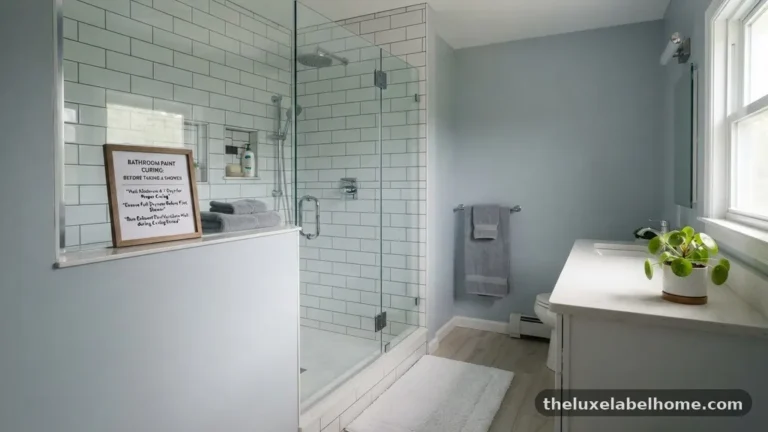
Selecting the correct finish for a high-humidity space is a practical decision that prioritizes the longevity of your home. When asking what paint sheen should you use in a small bathroom with high steam, the consensus remains that semi-gloss offers the most reliable protection against moisture.
While satin can serve as a viable alternative in well-ventilated rooms, the harder surface of semi-gloss remains superior for preventing water absorption. Proper surface preparation, including the use of high-quality, moisture-resistant primers, is the foundation upon which your paint choice relies.
Taking the time to choose the right materials and following through with careful application will save you significant time and effort in the long run. By maintaining your walls with gentle cleaning and ensuring adequate ventilation, you can keep your bathroom looking fresh and protected.
If you have specific questions about your bathroom’s layout or the condition of your existing walls, feel free to share your project details. We are always here to help you make the best decisions for your home renovation projects.