10 DIY Garden Projects for a Beautiful Backyard
A beautiful backyard doesn’t have to start with an expensive landscaping project.
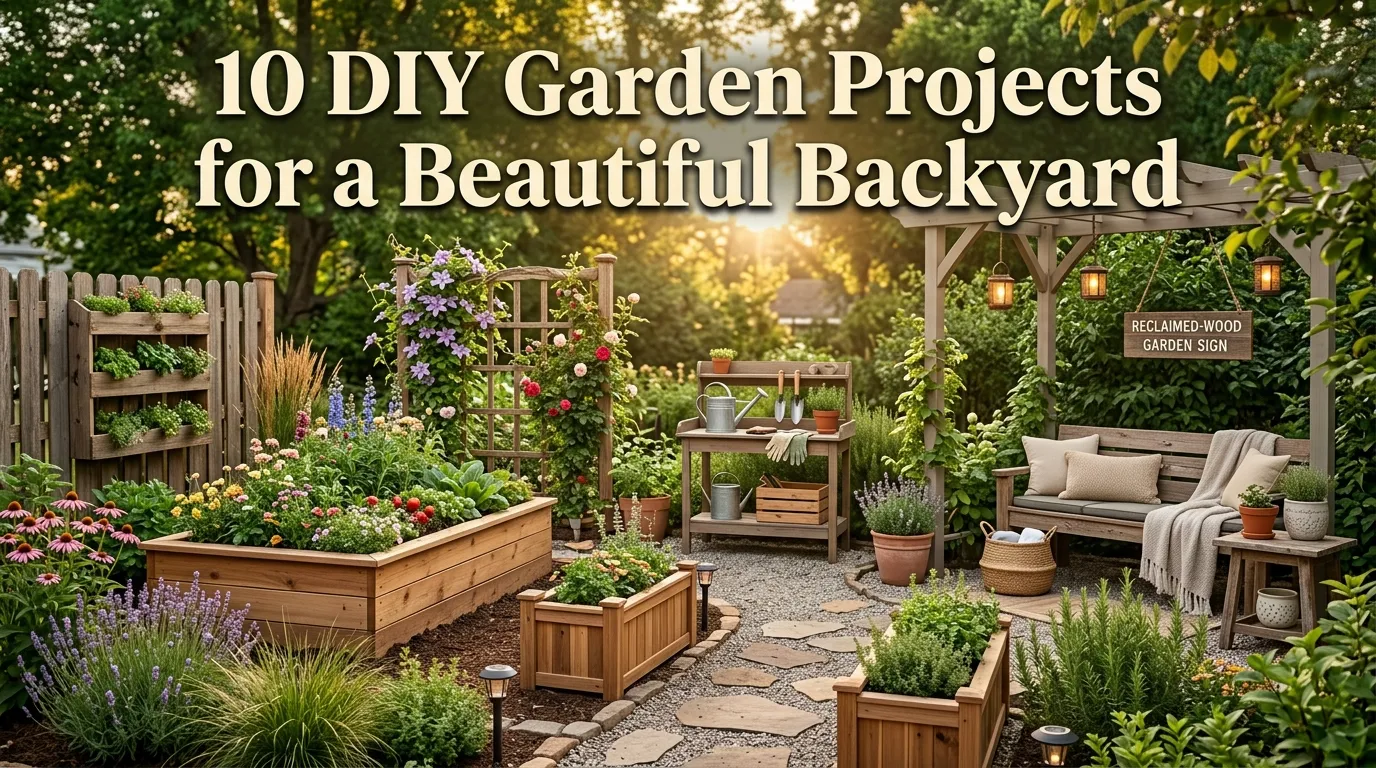
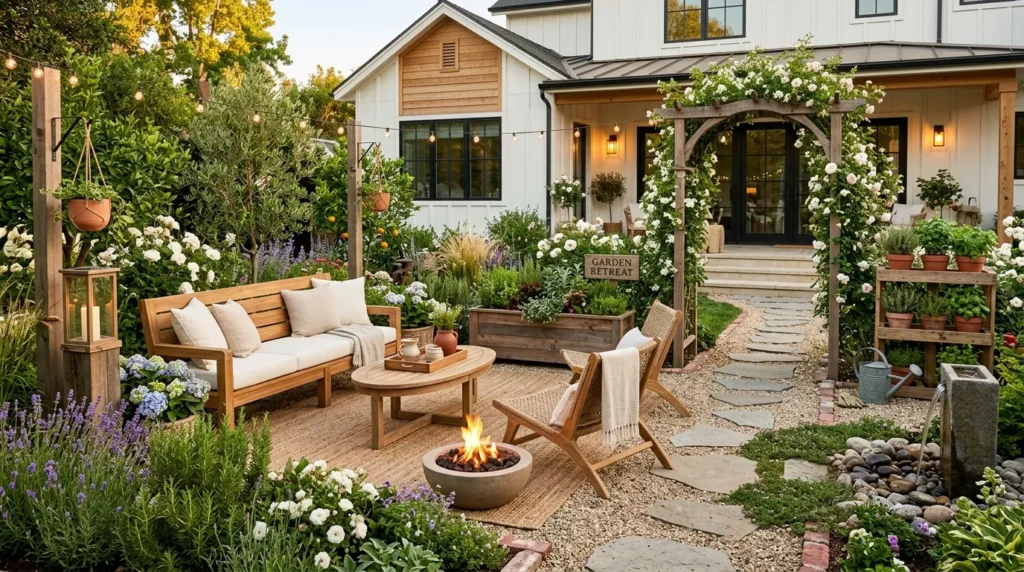
Some of the most charming outdoor spaces are built gradually, one simple project at a time. A raised garden bed, a painted planter, a small herb station, or a cozy garden path can completely change how a backyard looks and feels without requiring a professional landscaping crew.
DIY garden projects are especially rewarding because they allow you to shape your outdoor space around the way you actually use it. If you love growing vegetables, you can create practical planting areas. If flowers are your priority, build attractive containers and borders. If you enjoy entertaining, add garden seating and decorative lighting. Even a small backyard can become more inviting when functional projects are combined with thoughtful styling.
I’ve noticed that the best DIY outdoor projects do more than simply add decoration. They solve a problem while making the garden more attractive. A raised bed can improve planting organization. A trellis can provide support while adding vertical interest. A garden path can make a muddy area easier to navigate.
The good news is that you don’t need advanced woodworking skills for many of these ideas. With basic tools, affordable materials, and a little planning, homeowners and renters can create projects that look intentional rather than improvised.
The key is choosing projects that suit your climate, available sunlight, backyard size, and maintenance routine.
These ten ideas combine practical gardening with visual appeal, giving you plenty of inspiration for creating a backyard that feels colorful, useful, welcoming, and distinctly your own.
Table of Contents
1. Raised Garden Beds
Create organized planting areas for vegetables, herbs, and flowers.
2. Vertical Trellis Wall
Use vertical space to grow climbing plants while adding architectural interest.
3. Painted Planter Collection
Turn ordinary containers into coordinated backyard accents.
4. DIY Garden Path
Create a defined walkway that connects different backyard areas.
5. Herb Garden Station
Keep useful culinary herbs organized in an attractive planting area.
6. Hanging Flower Display
Bring flowers upward with simple hanging planters and baskets.
7. Rustic Garden Bench
Add practical seating while creating a welcoming outdoor focal point.
8. Decorative Plant Markers
Combine organization and personality with handmade garden labels.
9. Backyard Compost Area
Create a discreet composting station that supports a healthier garden.
10. Outdoor String Light Garden
Add evening ambiance with carefully positioned outdoor lighting.
1. Raised Garden Beds
Quick Benefits
- Organizes planting areas
- Makes vegetables easier to access
- Adds structure to the backyard
- Helps separate crops
- Creates attractive garden borders
Why It Works
Raised beds are one of the most useful DIY additions for a backyard because they combine gardening function with landscape design.
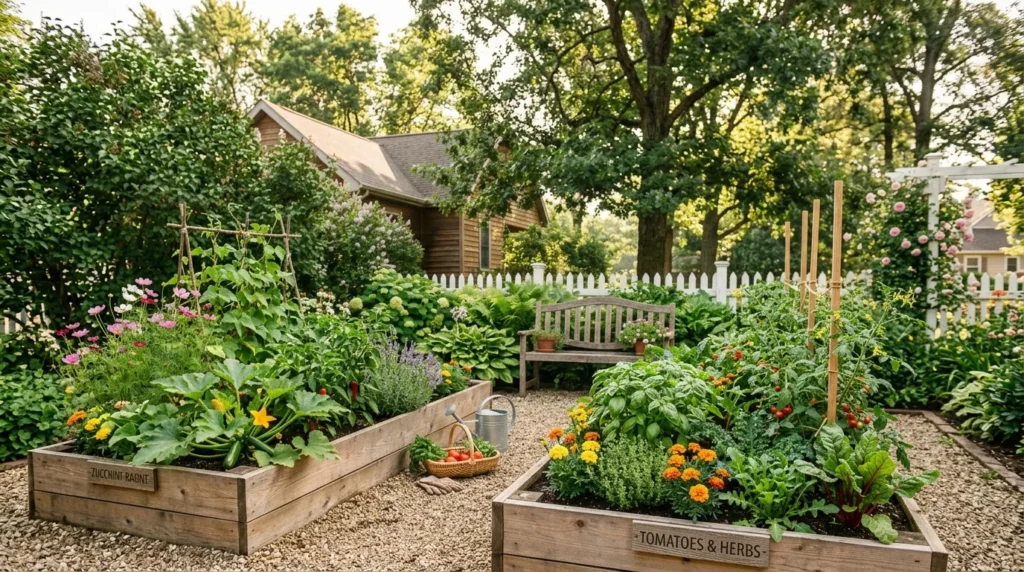
Instead of spreading vegetables and herbs throughout the yard, raised beds create defined planting zones. This makes the garden easier to organize and can also give an otherwise flat backyard more visual structure.
They are particularly useful for gardeners who want to grow vegetables but still want the backyard to look decorative.
The rectangular shape creates clean lines, while the natural texture of wood works beautifully with greenery.
In my experience, the most attractive raised-bed gardens leave enough space between beds for comfortable walking and maintenance.
How To Style It
Use untreated, garden-appropriate lumber or another suitable raised-bed material designed for outdoor use.
Keep the shape simple.
Two or three rectangular beds can look more intentional than many small scattered boxes.
Fill the beds with appropriate garden soil and compost, then group plants according to their sunlight and watering needs.
You can combine vegetables with flowers such as marigolds or nasturtiums for additional color.
Leave a clear walking path between the beds using mulch, gravel, or stepping stones.
For a more finished appearance, repeat the same wood tone throughout the garden with a bench, planter, or trellis.
2. Vertical Trellis Wall
Quick Benefits
- Uses vertical space
- Supports climbing plants
- Adds privacy
- Creates a garden focal point
- Works well in smaller backyards
Why It Works
When backyard space is limited, looking upward can dramatically expand your gardening possibilities.
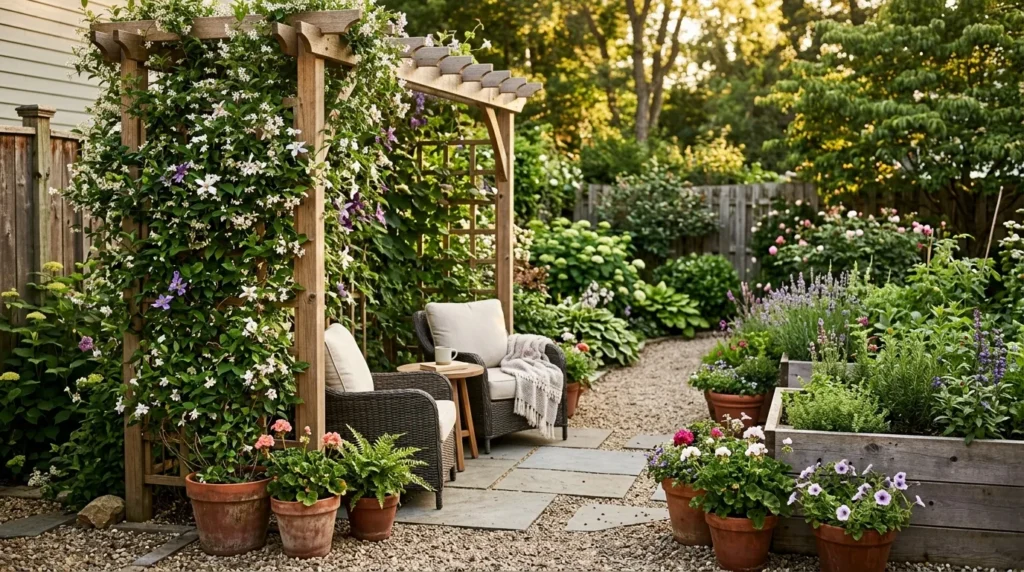
A trellis gives climbing plants somewhere to grow while adding height and structure.
It can also soften an unattractive fence or create a visual divider between different parts of the yard.
Climbing flowers, peas, beans, cucumbers, and certain vines can all benefit from appropriate support.
A vertical garden also creates a beautiful layered backdrop because plants occupy more than just ground level.
How To Style It
Build or install a sturdy trellis against an appropriate support structure, making sure it can handle the mature size and weight of the plants you select.
Natural wood creates a classic garden appearance.
A painted trellis can provide a more decorative look.
Place it where the climbing plants will receive the light they require.
You can use one large trellis as a focal point or repeat several smaller structures around the yard.
For privacy, combine the trellis with vigorous climbing plants suited to your local growing conditions.
Keep the surrounding area simple so the vertical greenery becomes the main feature.
3. Painted Planter Collection
Quick Benefits
- Adds color
- Refreshes inexpensive containers
- Creates a coordinated appearance
- Works in small spaces
- Makes seasonal updates easy
Why It Works
Planters don’t have to be expensive to look beautiful.
A collection of simple containers can become much more cohesive when they share a color palette.
This is a particularly useful DIY project if you already have mismatched pots sitting around the backyard.
Painting appropriate outdoor containers allows you to give them a unified appearance while adding a decorative accent to the garden.
You can choose colors that complement your home exterior, patio furniture, or flowering plants.
How To Style It
Clean containers thoroughly before painting and use a coating appropriate for the material and outdoor conditions.
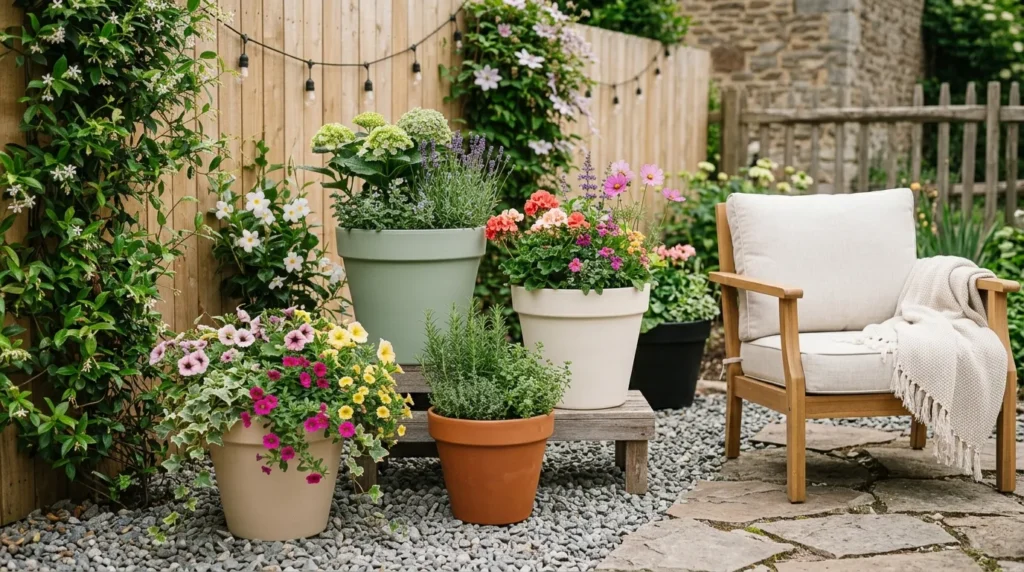
For a timeless backyard, consider warm white, soft sage, muted terracotta, charcoal, or earthy beige.
You don’t have to paint every pot exactly the same.
Use one dominant color with one complementary accent for a collected look.
Group three containers of different heights near a patio, entrance, or garden bench.
Fill them with plants that have contrasting shapes.
For example, combine upright grasses, trailing greenery, and colorful flowers.
The variation creates visual interest while the coordinated containers keep the arrangement organized.
4. DIY Garden Path
Quick Benefits
- Defines backyard zones
- Improves accessibility
- Reduces muddy areas
- Adds structure
- Creates a finished landscape appearance
Why It Works
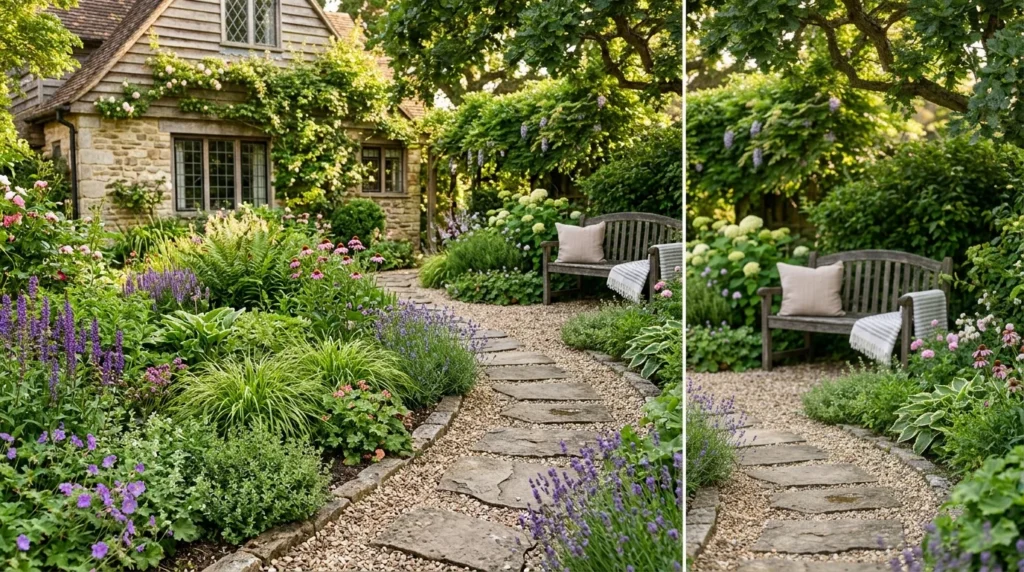
A garden path can make a backyard feel intentionally designed even when the surrounding planting is informal.
Paths naturally guide people through the space.
They can connect a patio to a vegetable garden, lead toward a seating area, or create an easy route around planting beds.
They also solve a practical problem by protecting frequently walked areas from becoming worn or muddy.
A simple path doesn’t need complicated construction.
The material and layout can do most of the visual work.
How To Style It
For a simple DIY project, consider materials such as gravel, stepping stones, pavers, brick, or other landscape-appropriate options.
Mark the desired route before installing anything.
A gently curved path can feel relaxed and natural, while a straight path creates a more modern appearance.
Leave enough width for comfortable walking and maintenance.
Surround the path with low-growing plants or mulch rather than allowing vegetation to completely cover the walkway.
For a cottage-inspired look, soften the edges with flowers.
For a modern backyard, use clean geometric pavers with gravel between them.
5. Herb Garden Station
Quick Benefits
- Makes herbs easy to access
- Adds fragrance
- Supports everyday cooking
- Works in small yards
- Creates a useful garden feature
Why It Works
An herb garden is one of those projects that can be both beautiful and genuinely useful.
Fresh herbs bring fragrance and greenery to the backyard while making everyday cooking more convenient.
A dedicated herb station also makes it easier to understand what you’re growing and where each plant belongs.
You don’t need a large garden.
Many herbs can be grown in containers or compact beds when their sunlight, soil, watering, and spacing needs are properly addressed.
How To Style It
Choose a sunny location appropriate for the herbs you want to grow.
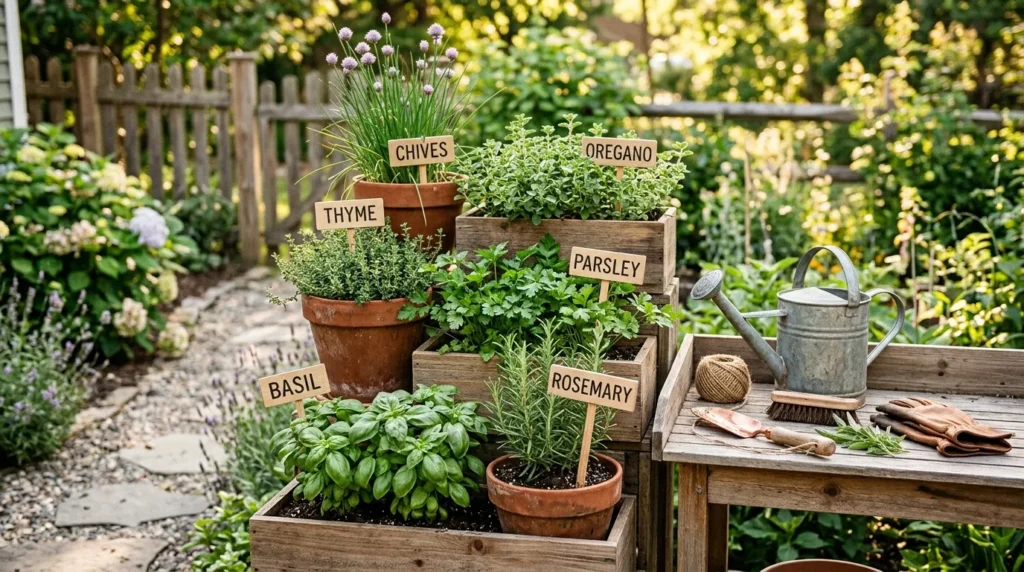
Create a small raised bed, wooden planter, tiered container display, or dedicated section beside the kitchen-facing part of the backyard.
Popular culinary choices can include basil, thyme, rosemary, parsley, oregano, chives, and mint, depending on local conditions.
Keep mint contained because it can spread aggressively.
Use simple handmade labels to identify each herb.
Place the garden near a patio or outdoor cooking area when practical.
A few terracotta pots combined with natural wood can create a charming Mediterranean-inspired look.
6. Hanging Flower Display
Quick Benefits
- Adds vertical color
- Uses unused space
- Works well around patios
- Creates a romantic atmosphere
- Provides flexibility for seasonal flowers
Why It Works
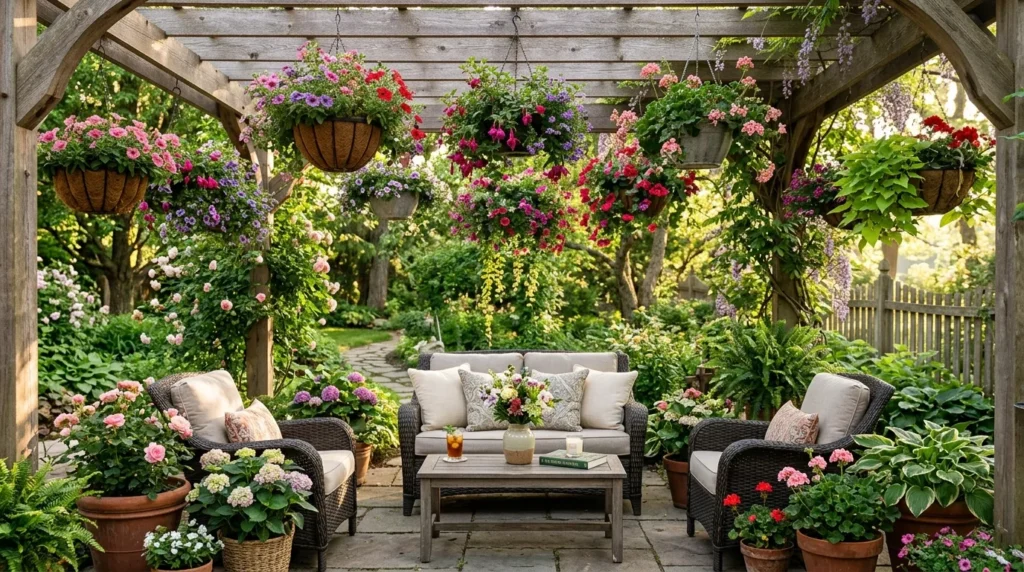
Hanging planters are an easy way to bring flowers above ground level.
They can transform a plain fence, pergola, porch edge, or covered patio into a more colorful garden feature.
The visual effect comes from layering.
Instead of having all plants at ground level, hanging baskets create another planting tier.
Trailing flowers and greenery can soften hard architectural lines and make outdoor entertaining areas feel more inviting.
How To Style It
Choose sturdy containers and appropriate hanging hardware for the location.
Make sure the support structure can safely handle the combined weight of the container, soil, and mature plant.
Use trailing flowers or foliage that suit the available sunlight.
Hang containers at varied but practical heights rather than creating an overly uniform row.
Repeat the same planter style if you want a polished appearance.
For a more relaxed garden, mix baskets with terracotta containers and natural woven materials.
Keep watering access in mind before installing several hanging plants.
Beautiful displays are much easier to maintain when they’re convenient to reach.
7. Rustic Garden Bench
Quick Benefits
- Adds outdoor seating
- Creates a garden focal point
- Provides a place to relax
- Uses unused corners
- Complements natural landscaping
Why It Works
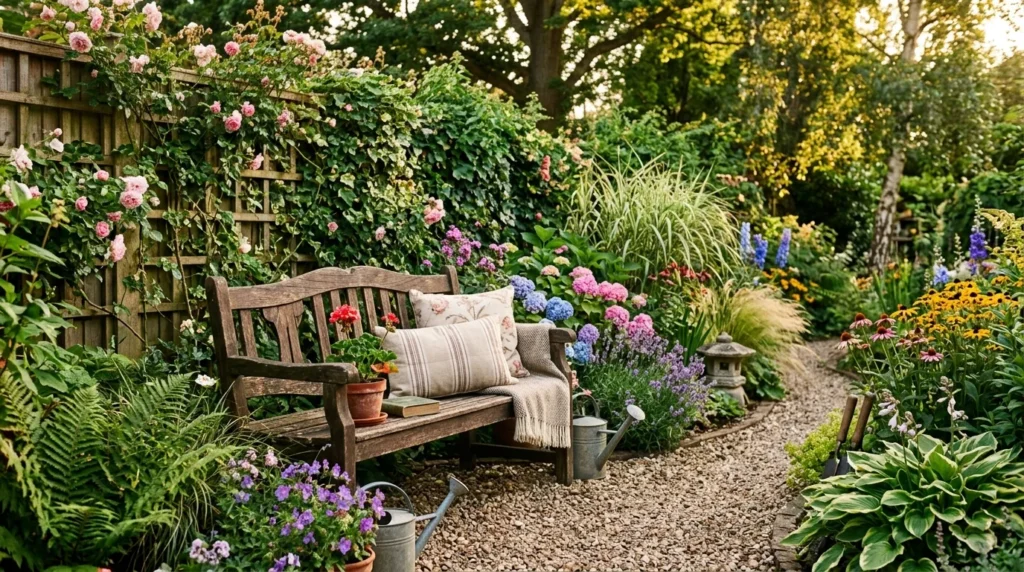
A garden bench can change the way a backyard is experienced.
Instead of looking at the garden only from a patio or house window, a bench gives you a reason to move into the garden itself.
It can also fill an awkward corner without requiring much floor space.
Natural materials work especially well because they complement plants, gravel, flowers, and wood structures.
The bench doesn’t have to be elaborate.
Its placement is often more important than its design.
How To Style It
Position the bench where there is something pleasant to look toward.
A flowering border, mature tree, raised garden bed, or trellis can become the backdrop.
Choose a weather-appropriate material and finish.
Wood can be stained, sealed, or painted according to the look you want and the manufacturer’s recommendations.
Add a weather-suitable cushion if desired.
Nearby potted plants can make the bench feel integrated into the garden.
Avoid placing it where water collects or where plant growth will make access difficult.
A simple bench surrounded by greenery can become one of the most photographed areas of the backyard.
8. Decorative Plant Markers
Quick Benefits
- Keeps plants organized
- Adds personality
- Helps identify seedlings
- Uses inexpensive materials
- Makes garden beds look finished
Why It Works
Small details can make a garden feel surprisingly polished.
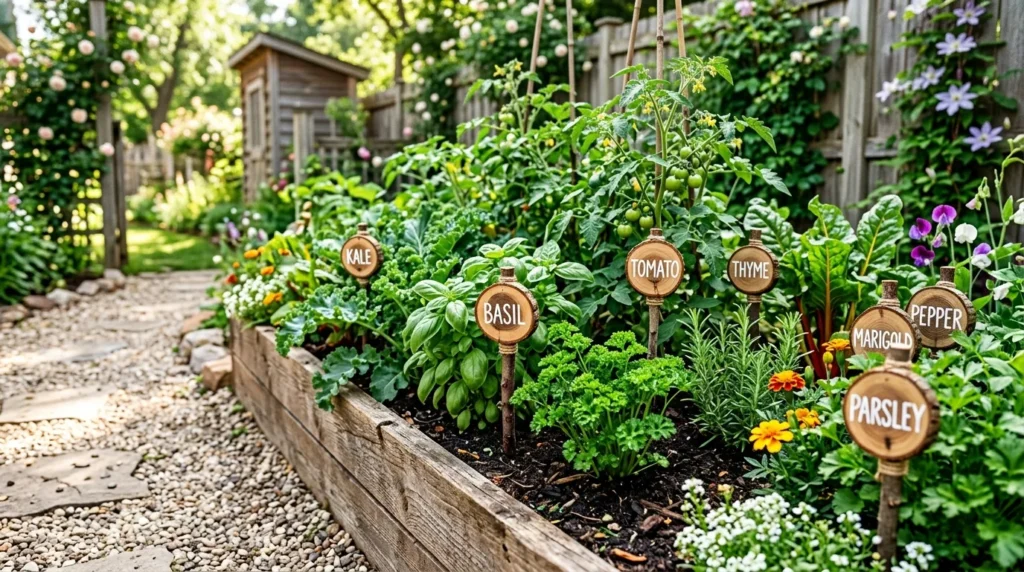
Plant markers are practical, but they can also become decorative accents.
They are particularly useful when growing several herbs or vegetables that look similar during early growth.
Handmade labels also give children an easy way to participate in gardening.
You can create them from simple outdoor-appropriate materials rather than buying a matching commercial set.
How To Style It
Use materials such as sealed wood, weather-resistant tiles, stones, or other suitable outdoor materials.
Write plant names clearly.
If using painted markers, choose products intended for outdoor exposure and refresh them when needed.
Keep the design simple.
Black lettering on a natural wood background creates a classic look.
For a cottage garden, small hand-painted labels can add charm.
Place markers near the base of each plant without blocking growth or interfering with watering.
Repeat the same marker design throughout the garden to create visual consistency.
9. Backyard Compost Area
Quick Benefits
- Gives garden waste a purpose
- Supports soil-building practices
- Keeps organic material organized
- Can reduce household waste
- Adds practical garden infrastructure
Why It Works
A beautiful backyard is not only about flowers and decorative features.
Good garden design also considers what happens behind the scenes.
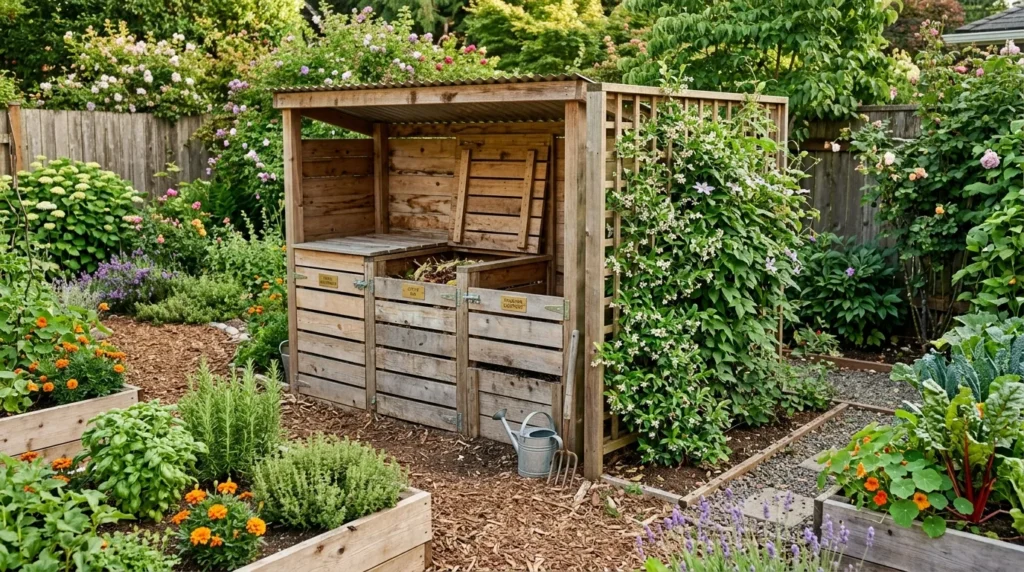
A dedicated compost area can keep appropriate organic materials organized while creating a useful resource for the garden.
The station doesn’t need to be the visual centerpiece.
In fact, it is usually better positioned discreetly while remaining accessible.
How To Style It
Choose a suitable composting system based on your available space, local regulations, climate, and what materials you intend to compost.
Position it in an appropriate area with suitable conditions for the system you choose.
Surround the compost station with a simple screen, trellis, or planting area if you want to make it less visible.
Avoid placing it somewhere that blocks important pathways or creates drainage problems.
Keep a small container nearby for collecting appropriate kitchen scraps.
Use finished compost according to gardening guidance and the needs of your plants.
The goal is a practical station that quietly supports the rest of the backyard.
10. Outdoor String Light Garden
Quick Benefits
- Extends outdoor enjoyment into evening
- Creates ambiance
- Highlights garden zones
- Makes entertaining more inviting
- Adds visual warmth
Why It Works
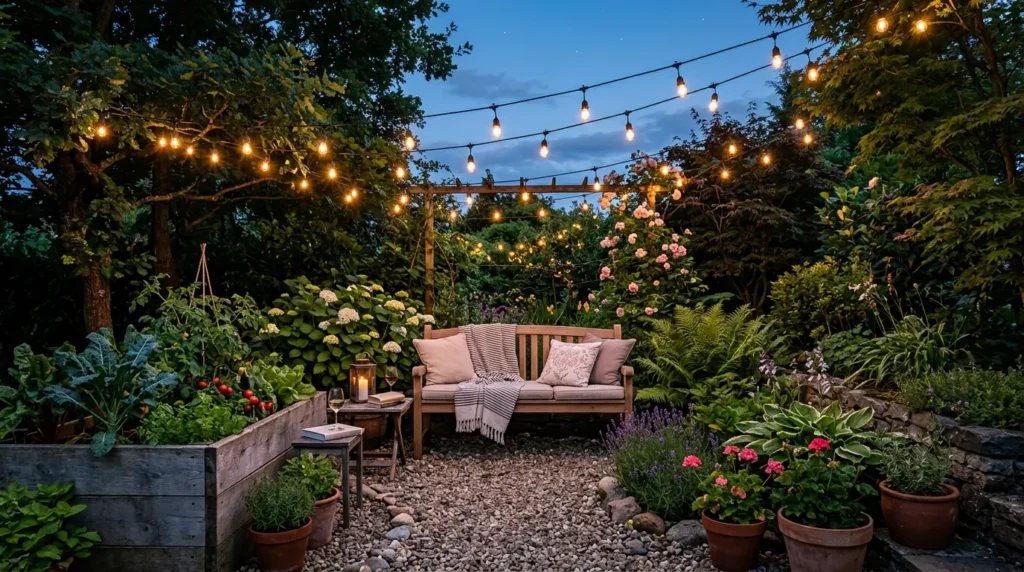
Outdoor lighting can completely change the feeling of a backyard after sunset.
During the day, plants, furniture, and garden structures provide most of the visual interest.
At night, strategically placed lighting creates another layer.
String lights are especially appealing because they provide a soft glow rather than the intense illumination associated with floodlights.
They can make a simple patio or garden seating area feel much more inviting.
How To Style It
Use outdoor-rated lighting and install it according to the manufacturer’s safety instructions.
You can attach lights between appropriate structures, along a pergola, around a seating zone, or above a patio.
Avoid placing them where cords create trip hazards.
Keep the arrangement simple.
A few gently draped strands often look better than covering every available surface.
Combine string lights with low garden lighting if appropriate.
The warm glow should highlight important areas without making the entire backyard excessively bright.
Think of outdoor lighting as atmosphere first and illumination second.
How To Make DIY Garden Projects Look Expensive
DIY does not have to look homemade in the negative sense.
The difference usually comes down to consistency.
Choose a small palette of materials and repeat them throughout the backyard.
For example, natural wood can appear in raised beds, a trellis, plant markers, and a bench.
Terracotta can repeat through planters and decorative pots.
Gravel can define both a garden path and the area around a seating zone.
This repetition makes individual DIY projects feel connected.
Another important factor is spacing.
Don’t put every project close together.
Give each feature room to be appreciated.
A raised bed needs walking space.
A bench needs breathing room.
A trellis needs surrounding planting.
A hanging basket needs enough visual space around it.
The most beautiful backyard projects usually look intentional because they have been given enough room.
How To Choose DIY Projects For Your Backyard
Before starting, consider five practical questions.
How Much Sun Do You Have?
Observe your backyard throughout the day before selecting plants.
How Much Space Is Available?
Measure patios, paths, beds, and seating areas before building.
How Much Maintenance Do You Want?
Choose projects and plants that fit your actual schedule.
What Is Your Main Goal?
Decide whether you want food production, flowers, privacy, entertaining space, or a combination.
What Materials Already Exist?
Reusing suitable materials can reduce costs and help create a cohesive appearance.
Planning first can prevent the common problem of building attractive projects that don’t work well together.
Easy DIY Garden Project Combinations
You don’t have to complete all ten projects.
Instead, combine ideas based on the type of backyard you want.
For A Vegetable Garden
Pair raised beds, a trellis, herb station, and plant markers.
For A Relaxing Retreat
Combine a garden bench, hanging flowers, pathway, and outdoor lighting.
For A Small Backyard
Use vertical trellises, containers, hanging plants, and compact seating.
For Entertaining
Focus on a garden path, planters, bench, and outdoor lighting.
For A Cottage Garden
Combine natural wood, colorful flowers, handmade markers, a path, and rustic seating.
Choosing a clear direction will make your backyard feel more cohesive.
FAQ
What are the easiest DIY garden projects for beginners?
Raised planters, painted containers, plant markers, hanging baskets, and simple garden paths are good starting points. They can be adapted to different skill levels and backyard sizes. Begin with one project that solves a practical problem, then add decorative projects once you understand how your space handles sunlight, drainage, watering, and maintenance.
How can I make my backyard look beautiful on a budget?
Focus on projects that create structure rather than buying many decorations. Raised beds, gravel paths, painted containers, trellises, and simple seating can make a significant difference. Repeating materials and colors throughout the yard also creates a more cohesive appearance without requiring expensive landscaping products.
What DIY garden project adds the most value to a backyard?
The best project depends on the property and how the space is used. Raised beds can provide practical gardening space, while paths improve movement and organization. Seating and outdoor lighting can make the yard more enjoyable. Choose projects that improve both appearance and everyday function rather than focusing only on decoration.
How do I make a small backyard look more interesting?
Use vertical space. Trellises, climbing plants, hanging baskets, wall planters, and vertical structures draw the eye upward. Keep pathways clear and use a limited number of coordinated materials. A small backyard often looks better when it has a few strong focal points instead of many tiny decorative features.
What materials are best for DIY garden projects?
Outdoor materials should be selected according to the project, climate, moisture exposure, and intended lifespan. Common options include suitable outdoor wood, stone, gravel, metal, ceramic, and weather-resistant containers. Always choose materials and finishes appropriate for outdoor use, and follow manufacturer guidance for construction and installation.
How can I make DIY garden projects last longer?
Use materials intended for outdoor exposure, protect wood according to appropriate product instructions, provide proper drainage, and inspect structures periodically. Keep soil and standing water from remaining against materials that are not designed for prolonged moisture. Seasonal maintenance is often what makes the biggest difference over time.
What should I build first in a backyard garden?
Start with the project that establishes the garden’s structure. This might be a raised bed, pathway, seating area, or trellis depending on your goals. Once the main feature is in place, add smaller projects that support it. Planning the layout before building helps prevent overcrowding and makes the finished backyard feel intentional.
Conclusion
A beautiful backyard doesn’t happen because of one perfect project. It comes from combining useful features, attractive materials, healthy plants, and thoughtful spacing. Start with one idea that solves a genuine problem. If your garden lacks organization, build raised beds. If you don’t have enough growing space, go vertical with a trellis. If your patio feels plain, add coordinated planters or hanging flowers. If you rarely spend evenings outdoors, introduce safe outdoor-rated lighting. And if you simply need somewhere to pause and enjoy the garden, build or place a comfortable bench where the view is worth lingering over.
Don’t feel pressured to complete everything at once. A backyard is a living space, so it can evolve gradually. Begin with the structure, then add plants, texture, color, and personal touches. Most importantly, choose projects that fit the way you actually live. A garden that looks beautiful but requires more maintenance than you can realistically provide won’t stay enjoyable for long. The best DIY backyard is one that invites you outside, gives you something useful to grow or enjoy, and becomes more beautiful as the seasons change. Pick one project, gather your materials, and give yourself permission to build the backyard one thoughtful improvement at a time.
Related Articles
- 10 DIY Garden Projects with Raised Beds
- 10 Small Balcony Ideas with Vertical Gardens
- 10 Backyard Oasis Ideas for a Relaxing Outdoor Escape
- 11 Outdoor Decor Ideas to Transform Your Backyard
- 10 Easy Garden Ideas for Beginners