
Choosing the Best Paint Sheen for Living Room Walls with Natural Sunlight
Choosing the best paint sheen for living room walls with natural sunlight is a critical decision that dictates how your home feels throughout the day. When bright, direct light hits a wall, it acts like a giant spotlight, exposing every tiny bump, roller mark, or imperfection in the surface. If you select a finish that is too reflective, you risk turning those small flaws into major visual distractions.
By balancing durability with light reflection, you can create a space that feels both inviting and polished. This process requires understanding how light interacts with different textures to ensure your living room looks its best from sunrise to sunset.
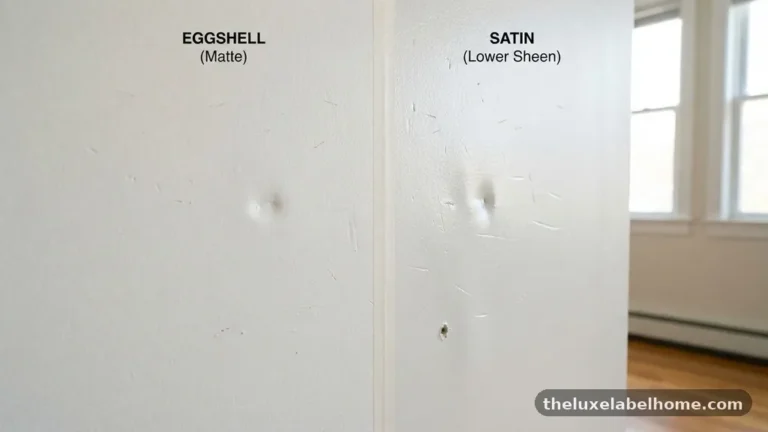
For most homeowners, an eggshell finish is the most effective choice for living room walls bathed in natural sunlight. It provides a soft, low-luster appearance that mimics the texture of an eggshell, which is forgiving enough to hide minor wall imperfections while still being easy to clean.
Unlike high-gloss options that catch every ray of sun and bounce it back as glare, eggshell absorbs just enough light to maintain a sophisticated, velvety look. If you desire a slightly more durable surface but want to avoid a shiny plastic appearance, a satin finish is the logical next step up.
The Science of Light Reflection and Sheen
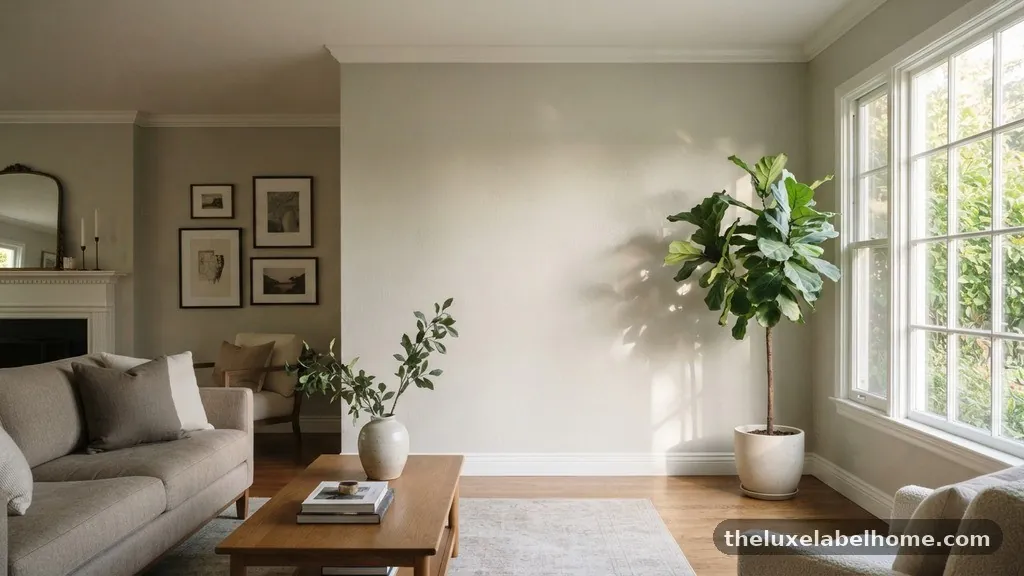
Paint sheen refers to the amount of light that reflects off a painted surface. The higher the sheen, the more light it reflects, which increases the visibility of the surface beneath the paint.
In a room with significant natural sunlight, this reflection becomes amplified. If your walls aren’t perfectly smooth, a high-sheen paint will highlight every drywall patch or slight dent.
Matte or flat paints absorb light rather than reflecting it, which makes them excellent for masking surface flaws. However, these finishes are often porous and can be difficult to wipe clean without removing the paint itself.
This creates a trade-off between the aesthetic goal of a smooth, uniform wall and the practical need for maintenance. Most designers settle on eggshell because it sits right in the middle of the spectrum.
When sunlight streams into your living room, it changes the way we perceive color. A paint color that looks perfect on a sample card might appear much brighter or more intense once it is on the wall.
A lower-sheen finish helps to soften this intensity, making the room feel cozy rather than harsh. Choosing the right finish is just as important as choosing the right hue.
Why Eggshell is the Industry Standard

Eggshell is widely considered the gold standard for living room walls because it offers the perfect balance. It is significantly more durable than flat paint, allowing you to wipe away dust or minor scuffs with a damp cloth.
Yet, it lacks the distracting glare associated with glossier alternatives. It provides a soft, subtle glow that works well with both modern and traditional architectural styles.
Professional painters often recommend eggshell because it is highly versatile across different types of wall textures. Whether you have older plaster walls or newer drywall, eggshell provides enough light diffusion to keep the surface looking consistent.
It does not feel cold or institutional, which is a common complaint with flat paints. You can find more information on industry standards for interior coatings by visiting the American Coatings Association resource library.
Using eggshell in a sun-drenched room ensures that your wall color remains true to the swatch. Because it reflects less light, it prevents the “hot spots” that can occur when the sun hits a semi-gloss wall.
This consistency allows the paint color to read accurately throughout the day. It is a reliable choice for homeowners who want professional results without complex application techniques.
Evaluating the Pros and Cons of Matte Finishes
Matte paint has gained popularity in recent years for its modern, sophisticated aesthetic. It creates a deep, rich look that makes colors appear saturated and velvety.
In a room with natural sunlight, a high-quality matte paint can make the walls feel like they are receding, which can make a small living room feel larger. However, the lack of a protective resin layer makes matte finishes prone to burnishing.
Burnishing occurs when you rub a matte surface, leaving a shiny, visible mark behind. This makes it a poor choice for high-traffic areas or homes with children and pets.
If your living room is a space where people frequently brush against the walls, matte might require more touch-ups than you are prepared to manage. Some newer “washable matte” formulas have improved this, but they still rarely match the durability of satin or eggshell.
If you are determined to use a matte finish, consider the quality of your wall preparation. You will need to ensure the surface is perfectly sanded and primed to avoid highlighting defects.
Even with perfect prep, you must accept that the walls will be harder to maintain. For many, the aesthetic benefit of the flat, non-reflective look is worth the trade-off.
Understanding Satin and its Role in Bright Spaces
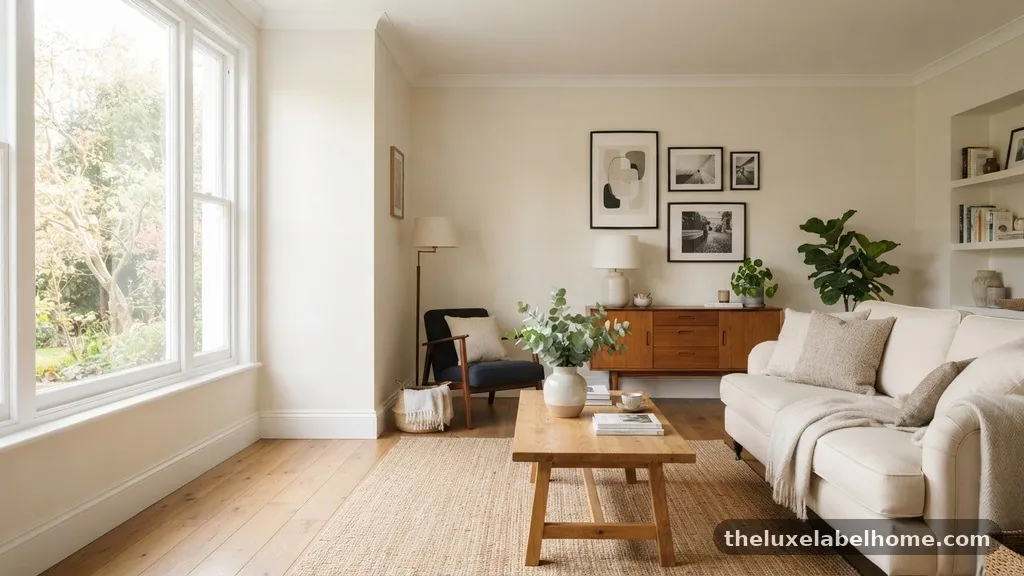
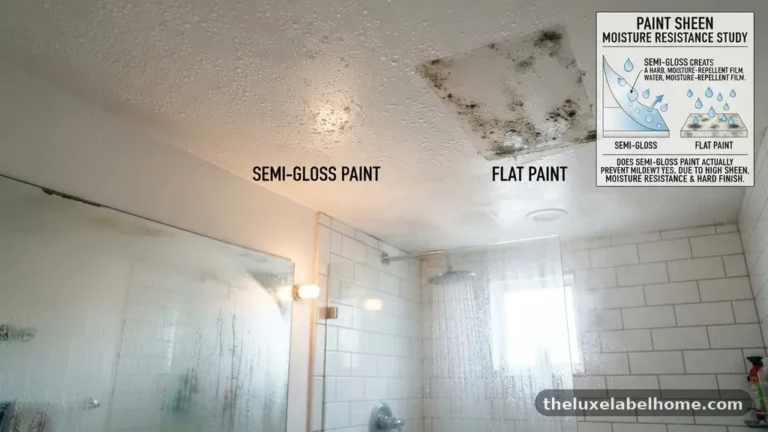
Satin finishes are slightly more reflective than eggshell and offer superior durability. They contain more resin, which creates a harder, smoother shell that resists moisture and dirt.
If you have a living room that connects directly to a kitchen or a high-traffic entryway, satin is a practical choice. The extra layer of protection makes it easier to scrub away stubborn stains.
The main risk with satin in a sunlit room is the potential for glare. If your living room features massive floor-to-ceiling windows, a satin finish might create noticeable streaks of reflected light on the walls.
This can be distracting if you are trying to watch television or relax. However, in rooms with more moderate light, the slight sheen can make the walls feel clean and crisp.
Satin is also an excellent choice for trim, doors, and cabinets if you want to create a subtle contrast with your eggshell walls. By keeping the walls at an eggshell sheen and the woodwork at a satin sheen, you add depth to the room.
This layered approach is a hallmark of professional interior design. It keeps the space from feeling like a flat, one-dimensional box.
Comparing Common Paint Finishes
When selecting your finish, it helps to see how they compare in terms of reflectivity and durability. Use the following table to understand the trade-offs between the common options available at your local hardware store.
| Finish Type | Reflectivity | Durability | Best Use |
|---|---|---|---|
| Flat / Matte | Very Low | Low | Ceilings, low-traffic areas |
| Eggshell | Low/Medium | Medium/High | Living rooms, bedrooms |
| Satin | Medium | High | Kitchens, hallways, trim |
| Semi-Gloss | High | Very High | Cabinets, bathrooms, doors |
The Impact of Wall Imperfections

One of the biggest factors in your decision should be the condition of your drywall. If you live in an older home, you likely have walls with slight dips, bumps, or historical repairs.
High-gloss paints are the enemy of these surfaces because they act like a magnifying glass for every flaw. Choosing the best paint sheen for living room walls with natural sunlight means choosing a finish that helps hide these issues.
Flat and eggshell paints are your best friends when it comes to masking imperfections. They diffuse light so that the eye doesn’t catch the shadows cast by tiny surface irregularities.
If you choose a finish that is too shiny, you will be forced to spend days or weeks on complex skim-coating and sanding. If you are not a professional drywall finisher, stick to lower-sheen options.
If you find that your walls are in particularly rough shape, consider using a flat paint. While it is the least durable, it is also the most effective at providing a smooth, uniform appearance.
You can always opt for a washable flat paint, which provides the matte look with a slightly more robust binder. This is often the best middle ground for older homes with character.
How Natural Sunlight Affects Color Perception
Natural sunlight is dynamic, shifting from cool blue tones in the morning to warm golden hues in the late afternoon. The sheen of your paint will react to these changes throughout the day.
A shiny finish will catch the intense afternoon sun and create bright, white highlights that can wash out your chosen wall color. A lower-sheen finish, like eggshell, will hold onto the pigment better.
If your living room has northern exposure, the light will be consistent but cooler. You may want to choose a slightly warmer paint color to compensate.
In this case, an eggshell finish will keep the color feeling cozy and inviting. If your room faces south, you will get intense, warm light all day, which makes a low-sheen finish even more important to avoid glare.
Always test your paint in the actual room before committing to a full gallon. Paint a large poster board with your chosen color and sheen, then move it around the room at different times of the day.
Watch how the light hits it at 9:00 AM versus 4:00 PM. This simple step prevents the disappointment of choosing a color that changes drastically under your specific lighting conditions.
The Importance of Proper Priming
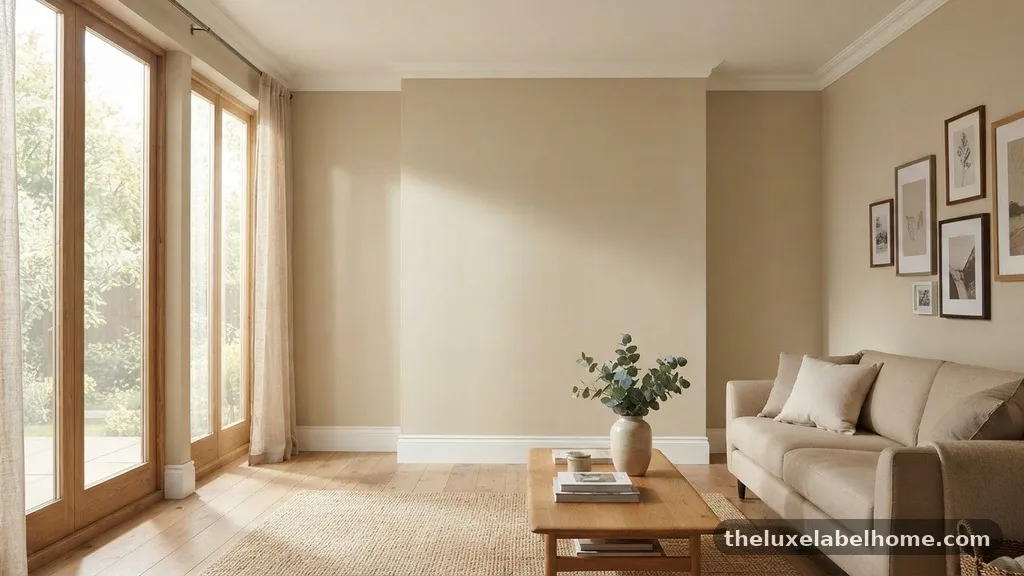
Regardless of the sheen you choose, the quality of your paint job depends on the primer. A high-quality primer creates a uniform surface that allows the topcoat to dry evenly.
If you have areas of patched drywall, you must use a dedicated primer to seal those spots. Without it, the paint will soak into the patch differently than the surrounding wall, leading to a phenomenon known as “flashing.”
Flashing creates visible blotches where the sheen looks different across the wall. In a room with natural sunlight, this will be painfully obvious.
Always use a primer that is compatible with your topcoat. If you are painting over a dark color, use a tinted primer to help your new color achieve full coverage in fewer coats.
Take the time to sand your walls between coats, especially if you are using a higher-sheen paint. Even a light scuffing with a fine-grit sanding block can remove microscopic bumps that would otherwise be highlighted by the sun. Taking these extra steps ensures that the light flows across your walls smoothly rather than catching on debris or rough texture.
Common Mistakes to Avoid
Many homeowners make the mistake of using semi-gloss or high-gloss paint on their living room walls. These finishes are typically reserved for trim, doors, and cabinets because they are designed to withstand frequent cleaning and provide a hard, protective barrier.
When applied to large wall surfaces, they can make a living room feel like a commercial office or a sterile hospital room. The reflection is simply too intense for a residential living space.
Another common error is failing to consider the ceiling. If you paint your walls a mid-sheen like eggshell, your ceiling should almost always be a flat finish.
If the ceiling has any sheen at all, it will reflect light down into the room in a way that feels unnatural. Keeping the ceiling flat helps anchor the room and keeps the focus on your wall color and decor.
Do not try to save money by using a single-coat paint product on a surface that hasn’t been properly prepped. While these products are convenient, they are not a substitute for a clean, primed wall.
If you want the best result, two coats of high-quality paint are almost always better than one thick coat of a “paint-and-primer-in-one” product. Invest in the right tools and materials for a lasting finish.
Maintenance and Cleaning Tips
Once you have selected the best paint sheen for living room walls with natural sunlight, you need to know how to maintain it. For eggshell and satin finishes, regular dusting is essential to keep the walls looking fresh.
Sunlight tends to make dust more visible, so a quick pass with a microfiber duster every few weeks will make a big difference. When you do need to clean a mark, use a soft cloth and a mild soap solution.
Avoid using harsh scrubbers or abrasive sponges, as these can damage the finish and change its sheen. If you have a stubborn scuff, test your cleaning method in an inconspicuous area first, such as behind a sofa or bookshelf.
This ensures that you won’t accidentally leave a shiny “clean spot” on your wall. If you have a high-traffic home, keep a small, labeled container of your wall paint for minor touch-ups.
When touching up, use the same roller or brush that you used during the original application to ensure the texture matches. Dab the paint on rather than wiping it across the surface.
This technique helps the new paint blend into the existing texture. With proper care, a high-quality eggshell or satin finish can look beautiful for many years, even in the brightest rooms of your home.
Frequently Asked Questions
Is eggshell paint really better than flat paint for living rooms?
Eggshell is generally preferred for living rooms because it provides a better balance of durability and light reflection. While flat paint hides imperfections better, it is much harder to clean, which is a significant drawback for a high-traffic area like a living room.
Can I use semi-gloss paint on my living room walls if I like the shine?
While you can, it is generally discouraged. Semi-gloss is highly reflective and will highlight every single imperfection in your drywall. It also tends to create an intense, glaring effect in rooms with large windows and lots of natural sunlight.
How do I know if my walls are smooth enough for a satin finish?
If you can run your hand along the wall and feel bumps or dips, those areas will likely show up under a satin finish. If you want to use satin but your walls aren’t perfect, you will need to invest significant time into patching, sanding, and potentially using a high-build primer.
What is the best way to test paint sheen before buying?
The most effective way is to purchase a small sample pot of your chosen color in a few different sheens. Paint a large section of poster board for each one, let them dry completely, and tape them to different walls in your living room. Observe them at different times of the day to see how they interact with the light.
Does sunlight make paint fade faster depending on the sheen?
Fading is primarily caused by UV exposure and the quality of the pigments in the paint, rather than the sheen itself. However, because higher-sheen paints reflect more light, they may appear to change appearance more drastically as the pigment begins to degrade compared to a lower-sheen finish.
Choosing the best paint sheen for living room walls with natural sunlight comes down to balancing your desire for a clean, modern aesthetic with the reality of your wall surface and lifestyle. By opting for an eggshell or satin finish, you provide your space with the durability it needs to handle daily life while maintaining a soft, comfortable atmosphere that doesn’t compete with the outdoor light. Remember to prioritize proper surface preparation and testing your choices in the actual room before committing.
These small, deliberate steps ensure that your final paint job enhances the architecture of your home rather than highlighting its flaws. Once you have made your choice, take your time with the application and enjoy the transformation of your living space.